Why the difference is worth money
Listing platforms are visual feeds. A buyer or guest scrolling through dozens of results gives each thumbnail a fraction of a second, and the photo either earns a click or ends the conversation.
A bad photo rarely says 'bad photo' to a viewer. It says 'dark flat', 'small room', 'tired property' - conclusions about the home itself. That is why the photography gap translates directly into a viewings gap.
Difference one: light
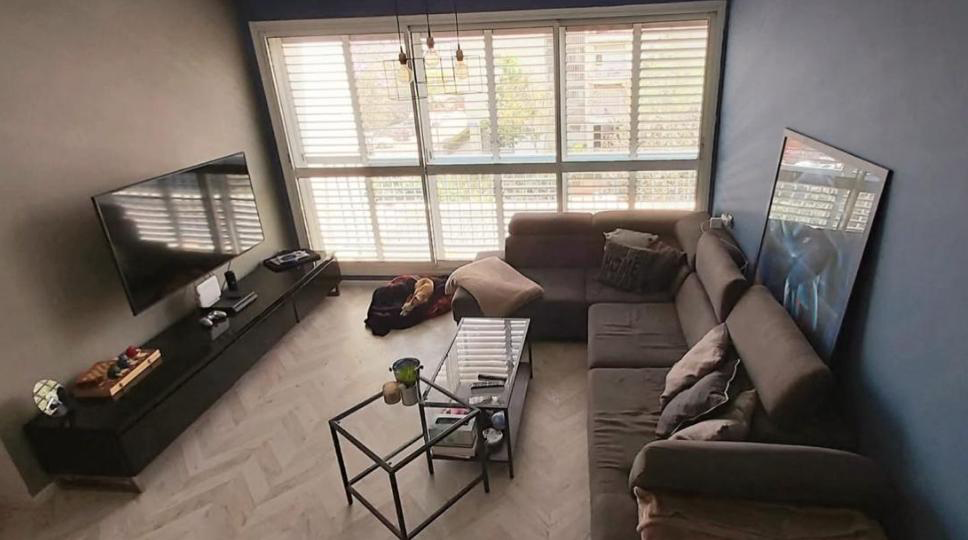
Bad photos are usually underexposed in the corners and overexposed at the window. The room reads as a cave with a hole in the wall, and the eye has nowhere comfortable to rest.
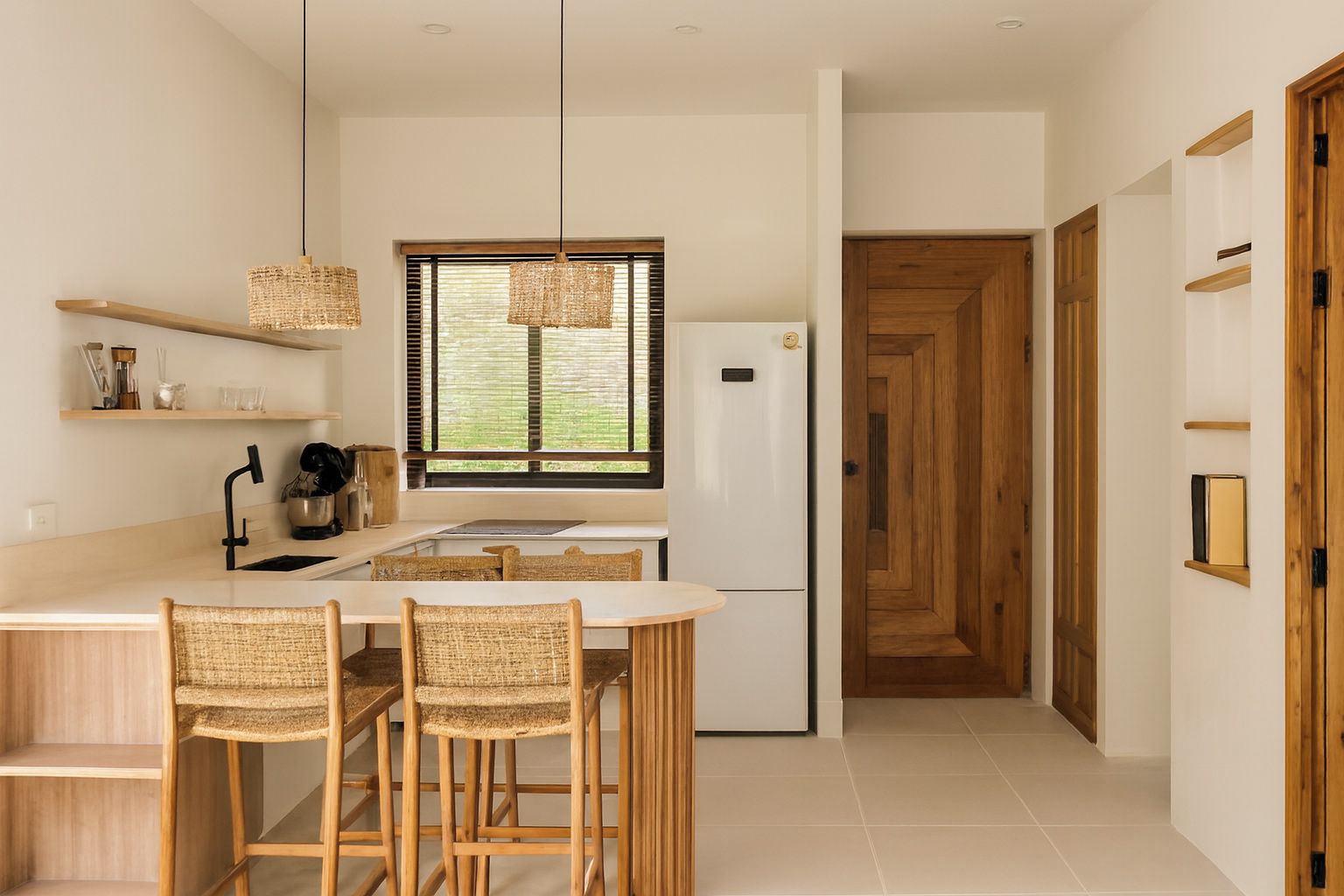
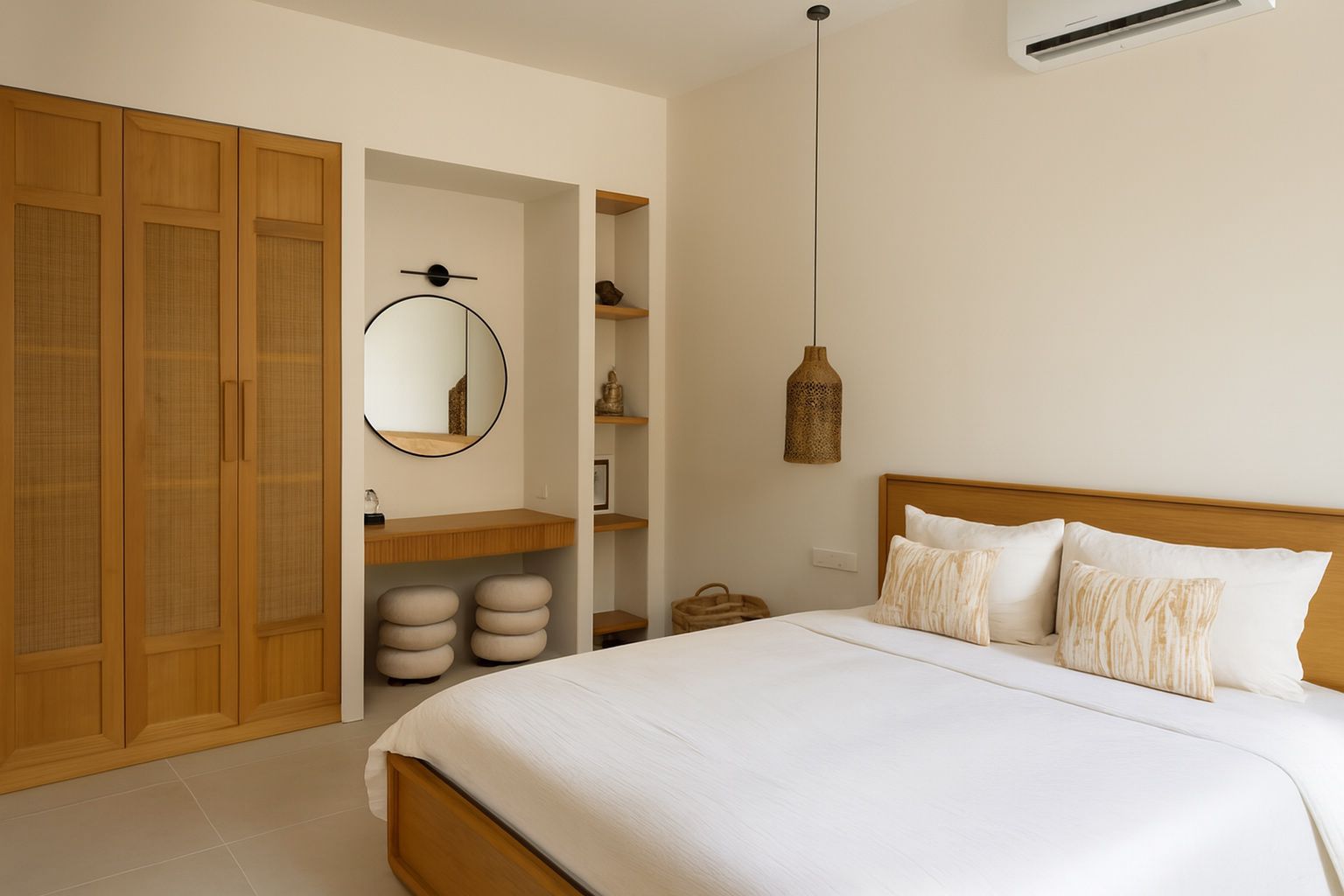
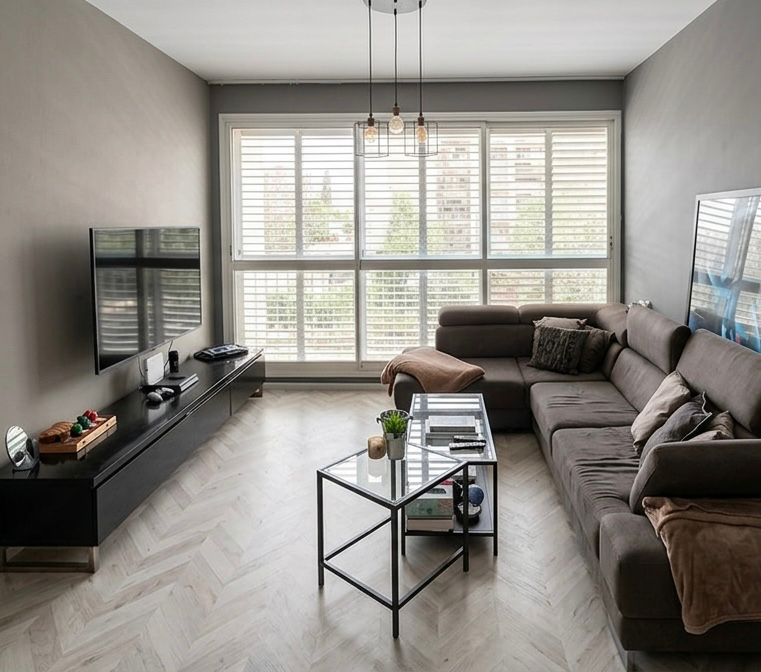
Good photos hold detail everywhere: you can see the texture of the floor in the shadowed corner and the trees through the glass at the same time. That balance is what makes a room feel open rather than cramped.
- Bad: one light source dominating, hard shadows across the floor, black corners.
- Good: soft even illumination, visible detail in both the darkest and brightest parts of the frame.
Difference two: colour
Orange walls that are actually white, blue-grey bedding that is actually cream, green-tinted skin near a garden window - colour casts are the most common invisible flaw in amateur listing sets.
Beyond aesthetics, inaccurate colour creates a practical problem: viewers who arrive expecting one finish and find another feel misled, even though nothing was intentionally changed.
Difference three: lines and perspective
In a bad photo, walls lean, door frames converge and the floor tilts. This happens when the camera is angled up or down instead of held level, and it is the fastest visual tell of a snapshot.
In a good photo, every vertical is genuinely vertical. The room sits square in the frame and the eye reads the proportions as accurate.
The ultra-wide trap
Extreme wide angles stretch the edges of a frame and make a modest room look cavernous. It reads as exaggeration to experienced buyers, and it disappoints in person. A moderate field of view shot from a corner shows the same space more honestly and usually looks more expensive.
Difference four: what is in the frame
No editing rescues a bin bag, a charging cable or a stack of post on the counter. Bad photos include the ordinary evidence of daily life; good photos remove it before the shutter fires.
The goal is not sterility. It is letting a viewer project their own life onto the space, which personal objects actively prevent.
- Clear counters, tables and windowsills entirely, then add back one or two deliberate objects.
- Hide bins, cables, pet bowls, toiletries, laundry and dish racks.
- Remove family photos, certificates and anything with a name on it.
- Open blinds fully and turn ceiling fans off so blades do not blur.
Difference five: the set, not the shot
One strong photo among fifteen mismatched ones still reads as an amateur listing. Consistency of brightness, contrast and colour temperature across the whole gallery is what makes a set feel professionally produced.
This is also the easiest difference to create accidentally: photographing the bedrooms in the morning and the living room at dusk guarantees a mismatched set, however careful each individual shot was.
A ten-second self-audit
Open your listing on a phone, at arm's length, and scroll it as a stranger would. Then ask five questions.
- Can I see detail in the darkest corner and through the window?
- Do the white surfaces look white?
- Are the vertical lines vertical?
- Is there anything in frame I would tidy before a viewing?
- Do all the photos look like they were taken on the same day?
Frequently asked questions
Is a bad photo worse than no photo?
For a lead image, often yes. A dark or chaotic first photo can cost you the click entirely, whereas a listing with fewer but stronger photos still gets opened.
Can a bad photo be fixed, or does it need reshooting?
Exposure, colour and leaning lines are fixable after the fact. Clutter, bad framing and severe motion blur are not - those need another shot.
How many photos should a listing have?
Fifteen to twenty-five for a full property, ordered as a logical walkthrough. Quality and consistency matter far more than volume.
Does the order of photos matter?
Considerably. Lead with the strongest room, then follow the route a visitor would walk. A confusing order makes a property feel smaller than it is.