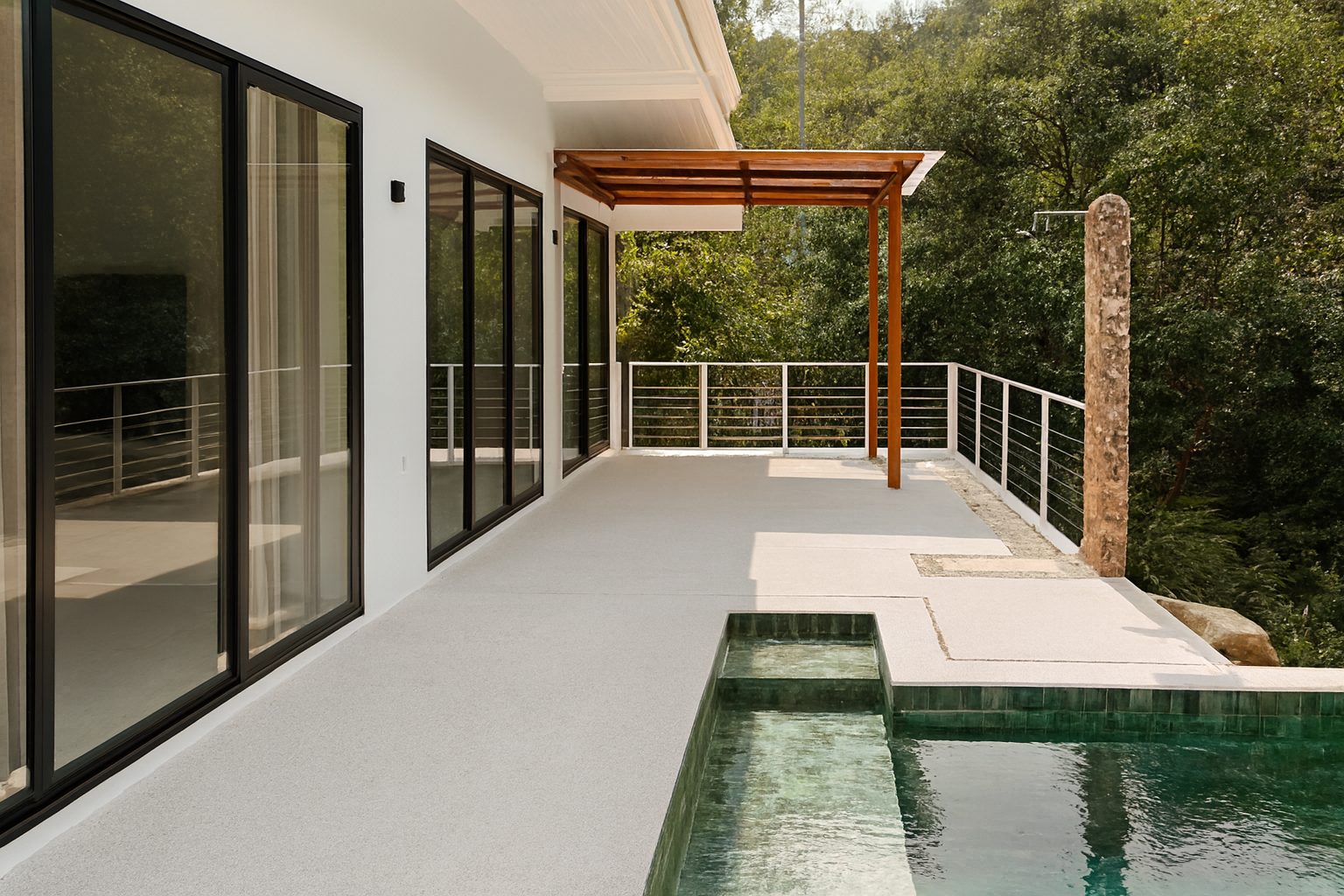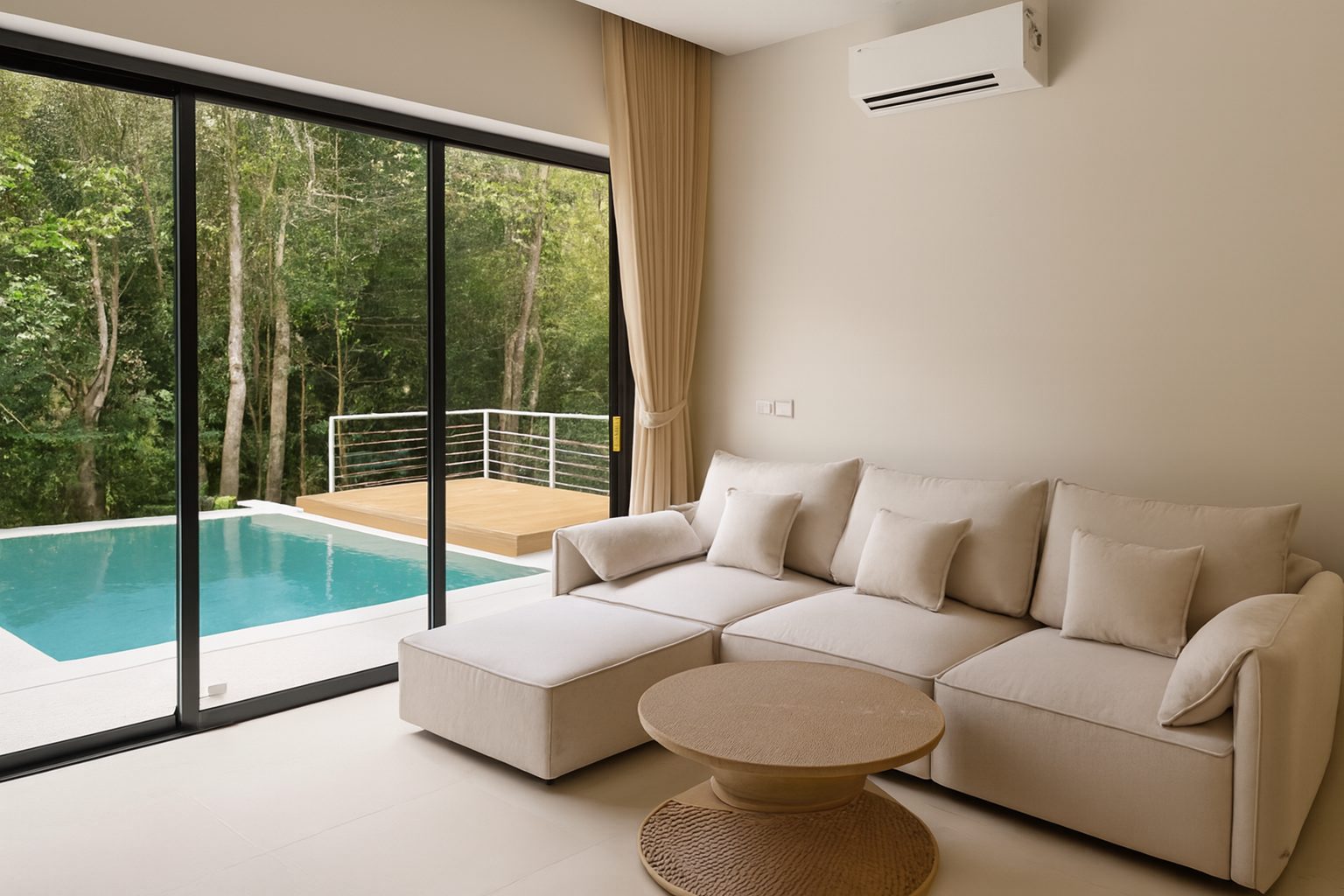
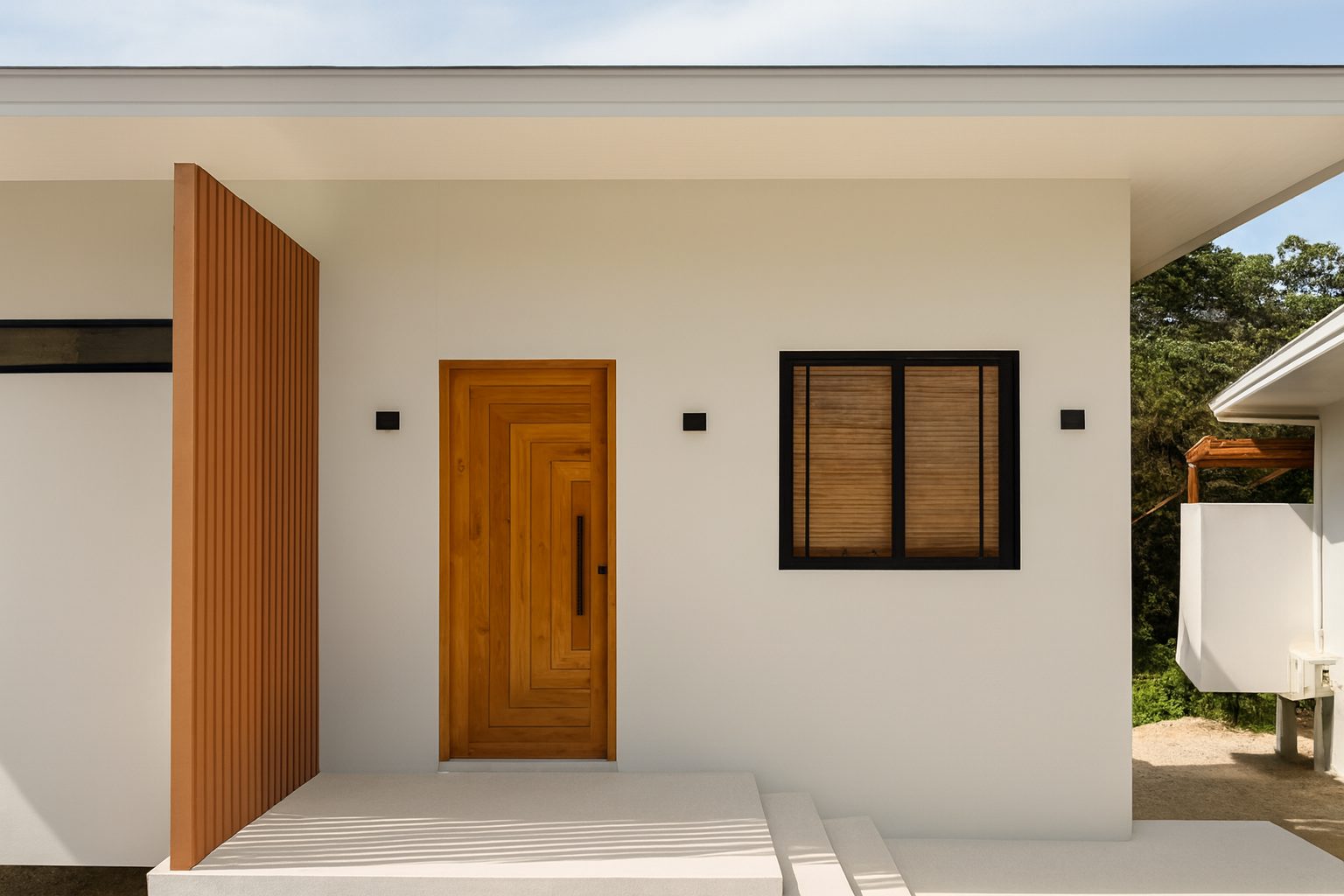
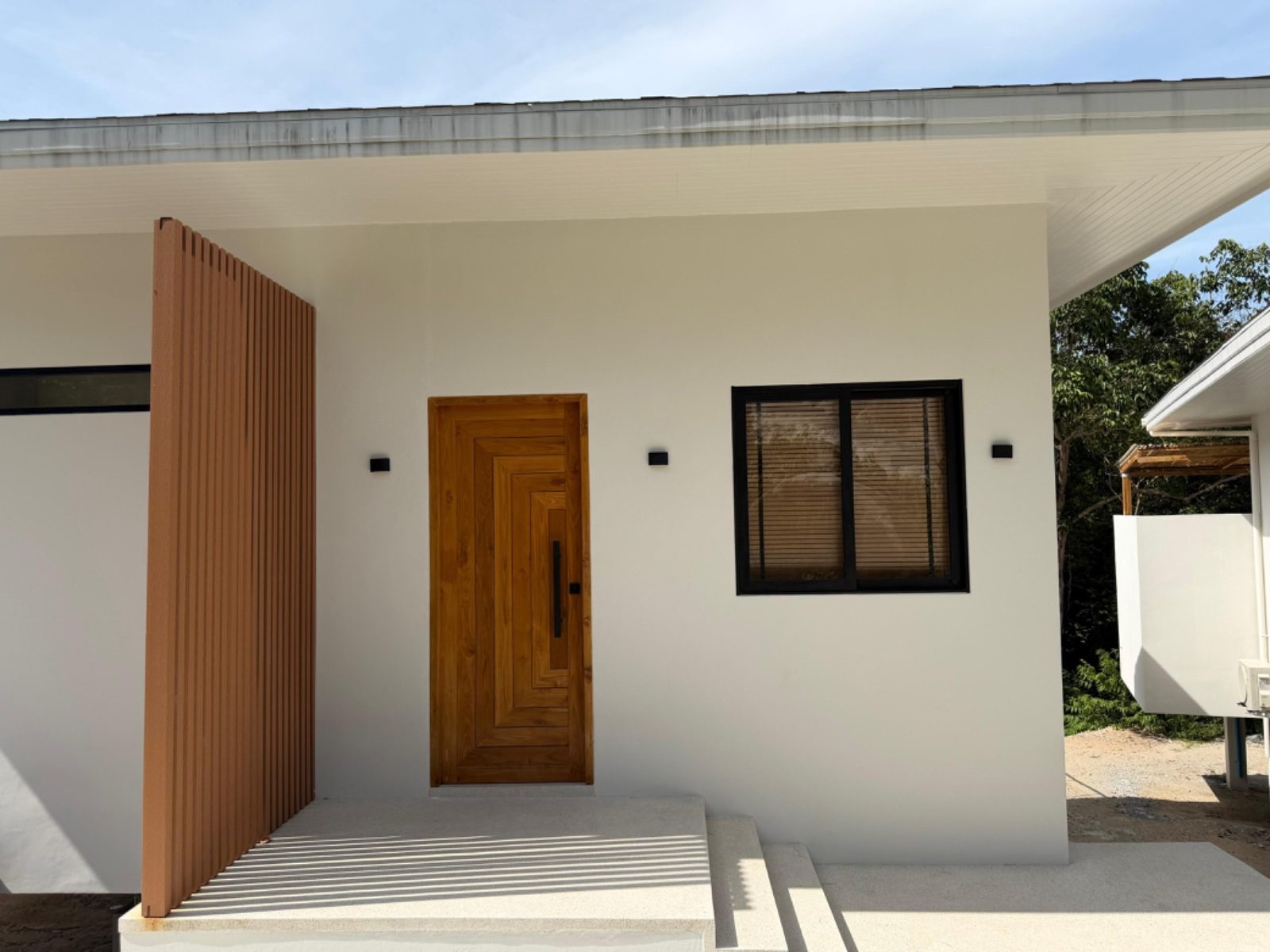
The mechanism: attention, not persuasion
Photography does not convince anyone to buy a house. What it does is win the competition for attention in a crowded search results page, which determines how many qualified people ever consider the property at all.
Time on market is largely a function of how quickly a listing reaches the right buyer. Anything that widens the top of that funnel in the first week compresses the timeline at the end.
Why the first week matters
A new listing gets its largest burst of exposure in the first seven to ten days, when it appears in saved-search alerts and at the top of freshly sorted results. That window is not repeatable.
Listings that go live with weak photos spend that irreplaceable burst underperforming. By the time better photos are uploaded, the alert traffic has moved on and the property carries a growing days-on-market number that buyers read as a warning sign.
Why relisting rarely fixes it
Price reductions and relisting reset some visibility but signal weakness. Going live correctly the first time is dramatically cheaper than recovering from a slow start.
What better photos actually change
The measurable effects are all upstream of the offer, and they compound.
- Click-through rate from search results: the lead image does nearly all this work.
- Time spent on the listing page: a coherent, well-lit set keeps people scrolling to the end.
- Saves and shares: buyers shortlist visually before they read a single line of the description.
- Enquiries and viewing requests: more of the funnel arrives already interested.
- Viewing quality: buyers who arrive with accurate expectations are far likelier to make an offer.
The same effect in short-term rentals
For Airbnb, Vrbo and Booking.com hosts the dynamic is similar but faster. Airbnb, for example, says its search ranking considers listing quality - including photos - and popularity, such as how often guests save, book or message a listing. A stronger photo set supports both, though it is one factor among many, alongside price, reviews and availability.
Because rental listings are re-evaluated continuously rather than once, the compounding is more visible: a better set lifts placement, which increases impressions, which lifts bookings again.
The trap: photos that oversell
Photography that flatters beyond reality shortens the funnel at the top and destroys it at the bottom. Buyers who feel misled at the door do not make offers, and rental guests who feel misled leave reviews that cost far more than a slow week.
The objective is the property on its best honest day: clean light, true colour, straight lines, tidy rooms. Nothing added, nothing hidden.
The practical route for most sellers
Hiring a photographer is the reliable option when the budget exists, particularly for high-value homes where framing and staging judgement pay for themselves.
For everything else, the achievable standard is a careful phone shoot in one lighting session followed by a professional-grade enhancement pass. That combination closes most of the visible gap at a fraction of the cost, and it can be done the same day you decide to list.
When you need the result faster than a photographer can deliver
The speed advantage of professional photography only exists if you can book it. In practice, sellers often lose a week to scheduling and another two or three days to delivery - on a market where the first fortnight generates most of the interest.
ProLister exists for that gap. You shoot the property yourself once it is prepared, upload the set, and get listing-ready images back the same session rather than the following week. For owners in fast-moving markets, or for hosts refreshing a listing between bookings, that timing difference is often worth more than the marginal quality difference.
If you do have the time and budget for a professional, hire one. If you do not, this is a credible way to launch on day one instead of day ten.
Frequently asked questions
How much faster do well-photographed homes sell?
Industry analyses report meaningfully shorter time on market for professionally photographed listings, though the size varies by market and price band. The consistent finding is more early engagement, which is what shortens the timeline.
Is photography worth it for a low-priced property?
Yes, and often more so. Lower-priced listings compete in the busiest search segments, where the lead photo does the most work per pound spent.
Should I reshoot photos if my listing is already stale?
New photos help, but they cannot recreate the launch burst. If a listing has stalled, refresh the photos alongside any other change so the relaunch is as strong as possible.
Do I need drone or twilight shots?
Only where they add information - large plots, views, waterfront or striking exteriors. For an ordinary home, a strong, consistent interior set matters far more.