What a photographer actually provides
It helps to separate the job into four distinct parts rather than treating it as one service.
- Judgement: which rooms to shoot, from where, in what order, and what to leave out.
- Capture: a levelled camera at the right height, correct exposure, and equipment for dark or tight spaces.
- Editing: exposure balance, white balance, perspective correction, and a consistent look across the set.
- Logistics: turning up, working efficiently, and delivering a complete, ordered set.
What AI genuinely replaces
AI enhancement replaces the third item almost completely. Exposure balance, highlight recovery, colour neutralisation, noise reduction, perspective correction and consistency across a set are deterministic, well-defined corrections - and modern models perform them faster and more consistently than a human retoucher working image by image.
It also partially replaces the second item. Because a well-corrected file can recover a dark room and a bright window simultaneously, you no longer need bracketed exposures, external flash or a professional sensor to produce a usable interior photo. A phone shot carefully in daylight is enough raw material.
That combination is why self-shot listings now look dramatically better than they did five years ago, and why the price gap between a professional set and a self-shot one has narrowed to the value of judgement and time.
What AI cannot replace
It cannot decide what to photograph. A photographer walking a property knows which angle makes the living room read as open, which feature deserves a detail shot and which room is better represented from the doorway. AI works with the frame you give it.
It cannot tidy or stage. Clutter, a badly made bed, a hose across the lawn and a bin in the corner all remain exactly where they were - as they should, because a tool that removes real objects is misrepresenting the property.
It cannot re-shoot a bad frame. Cut-off furniture, a missing room, a reflection of the photographer in the mirror, a wildly off angle: none of that is recoverable in post, by a human or a model.
And it cannot handle genuinely difficult conditions: twilight exteriors, windowless interiors, luxury properties where lighting design is part of the product, or drone and floor-plan work.
How ProLister positions itself in that split
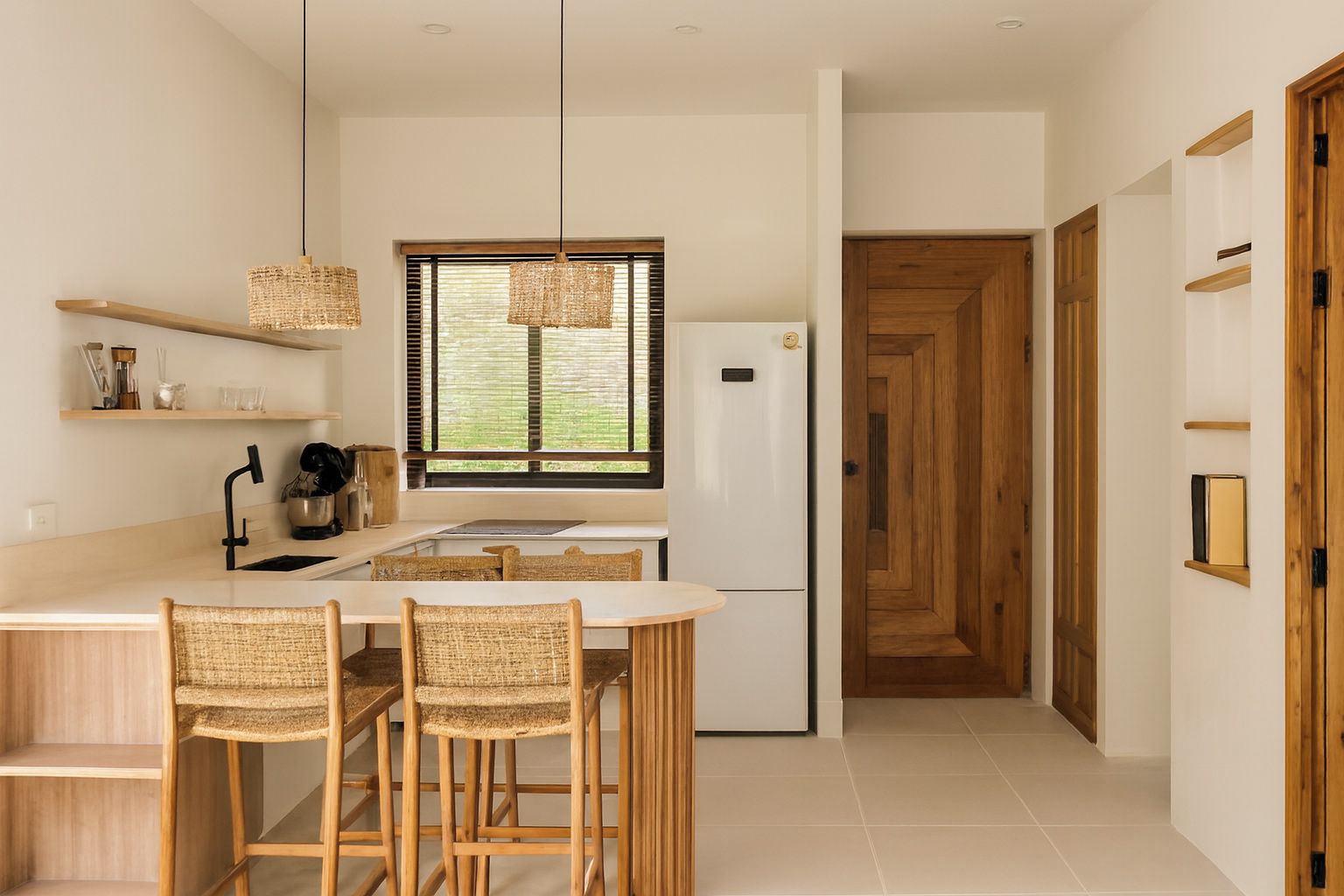
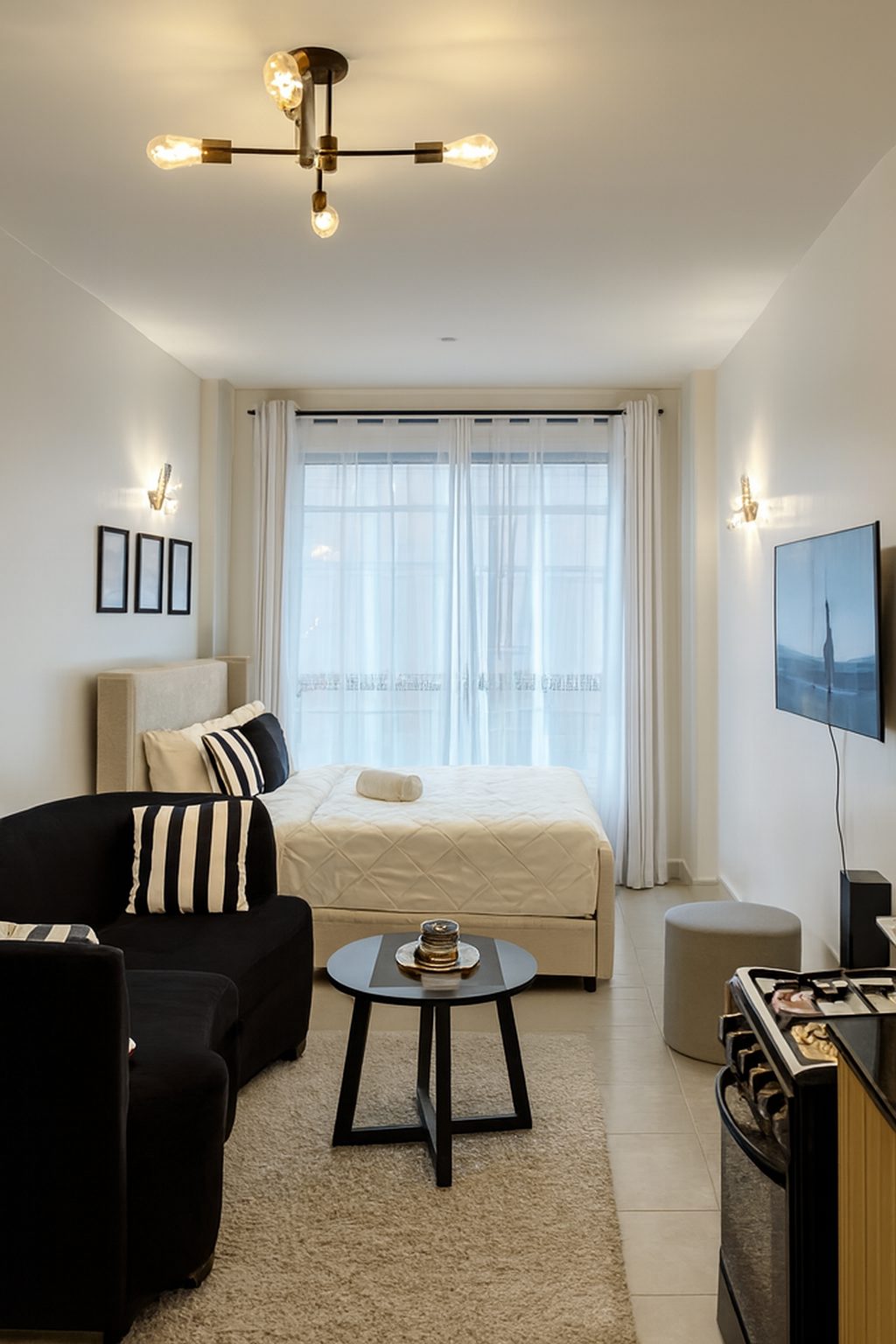
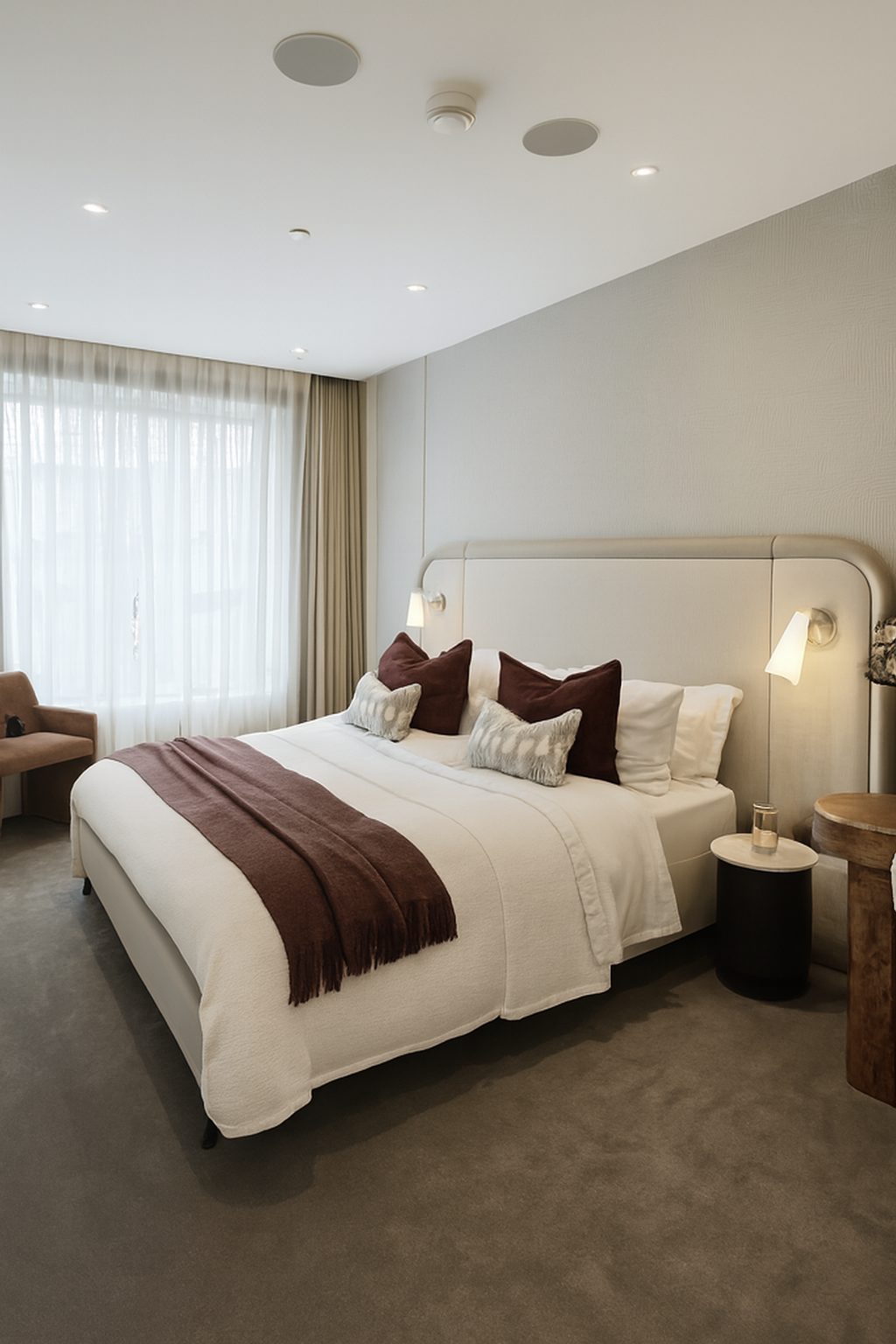
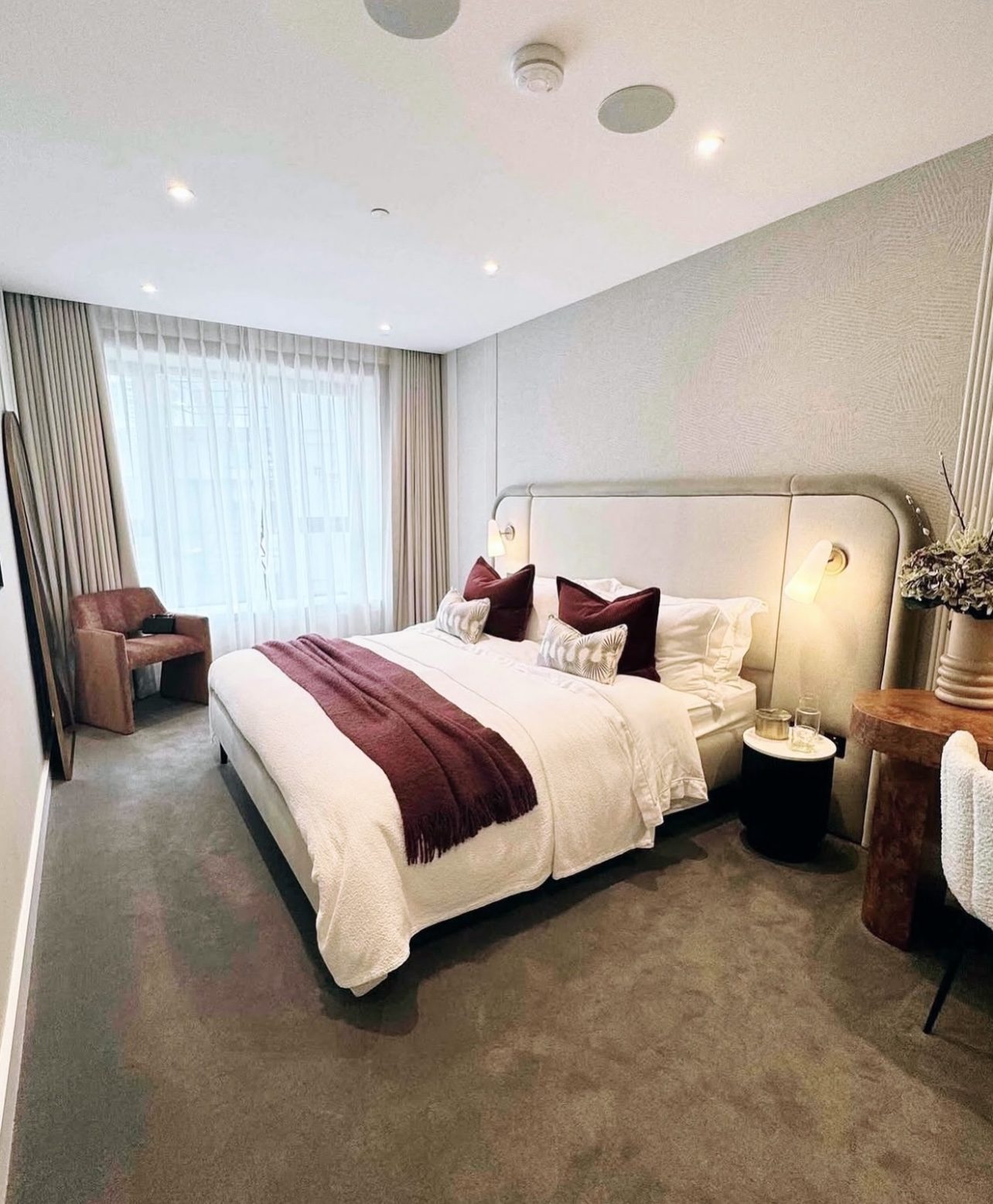
ProLister is deliberately built to replace the editing layer and nothing else. You shoot the property - your judgement, your angles, your prepared rooms - and it returns each image with balanced light, neutral colour, corrected verticals and a consistent architectural finish across the whole set.
It will not invent furniture, remove fixtures, change materials or reveal parts of a room the camera did not see. That restraint is the point: the output has to survive comparison with the real property when a buyer or guest walks in.
In practice that makes it a replacement for the retoucher and the turnaround time, not for the photographer's eye. If your angles are reasonable and your rooms are prepared, it closes most of the visible quality gap for a fraction of a session fee.
When you should still hire a professional
- High-value or architecturally distinctive properties where imagery is a material part of the price.
- Twilight exteriors, drone footage, video walkthroughs or floor plans.
- Dark, windowless or awkwardly shaped interiors that need lighting rather than correction.
- Developer and agency portfolios where a single consistent house style is contractually required.
- Any situation where you simply do not have the hours to shoot the property properly yourself.
When AI enhancement is enough
- Short-term rentals on Airbnb, Vrbo and Booking.com, where listings are refreshed often.
- Mid-market homes where a session fee is a meaningful share of the marketing budget.
- Listings that need to go live today rather than after a week of scheduling.
- Refreshing an existing set that is dark, inconsistent or dated.
- Adding a room or a season to a set that was shot months ago.
Frequently asked questions
Can AI photos look as good as professional real estate photos?
For a well-framed, well-prepared room shot in daylight, the difference after enhancement is small enough that most viewers cannot identify it. For difficult spaces or creative work such as twilight exteriors, a professional still produces clearly better results.
Will buyers or guests be able to tell the photos were AI-enhanced?
Not if the enhancement is limited to correction. Balanced exposure, neutral colour and straight verticals are exactly what a professional editor produces, so the result reads as a well-shot photo rather than an artificial one.
Is it ethical to use AI-enhanced photos on a listing?
Yes, as long as the property is represented accurately. Correcting light, colour and lens distortion is standard practice. Adding, removing or altering real features is not, and most platforms treat it as misleading.
How much cheaper is AI enhancement than a photographer?
You pay per image instead of per session, so an entire listing set typically costs a small fraction of a professional shoot - with no travel fees, no scheduling delay and no charge to add a room later.