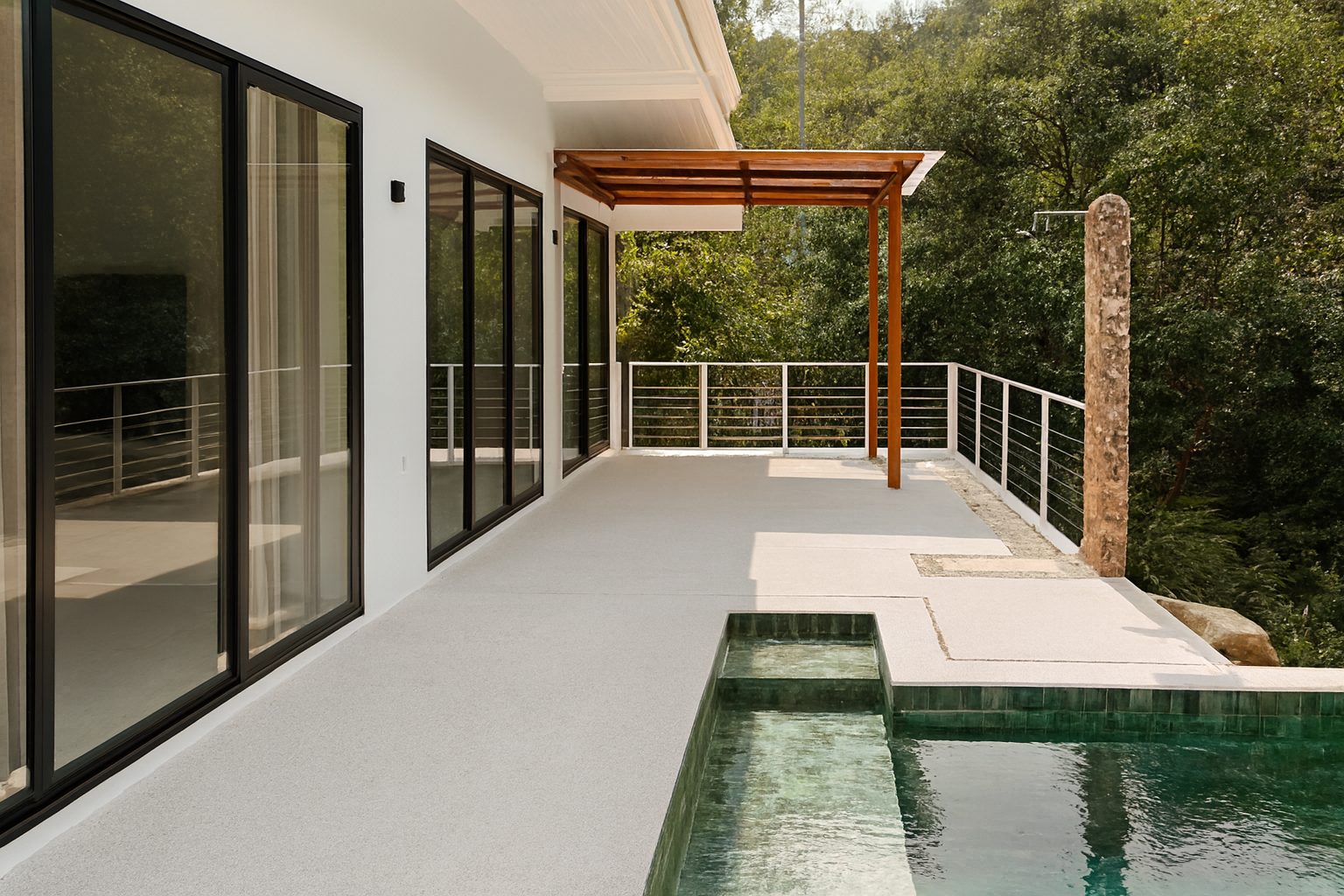
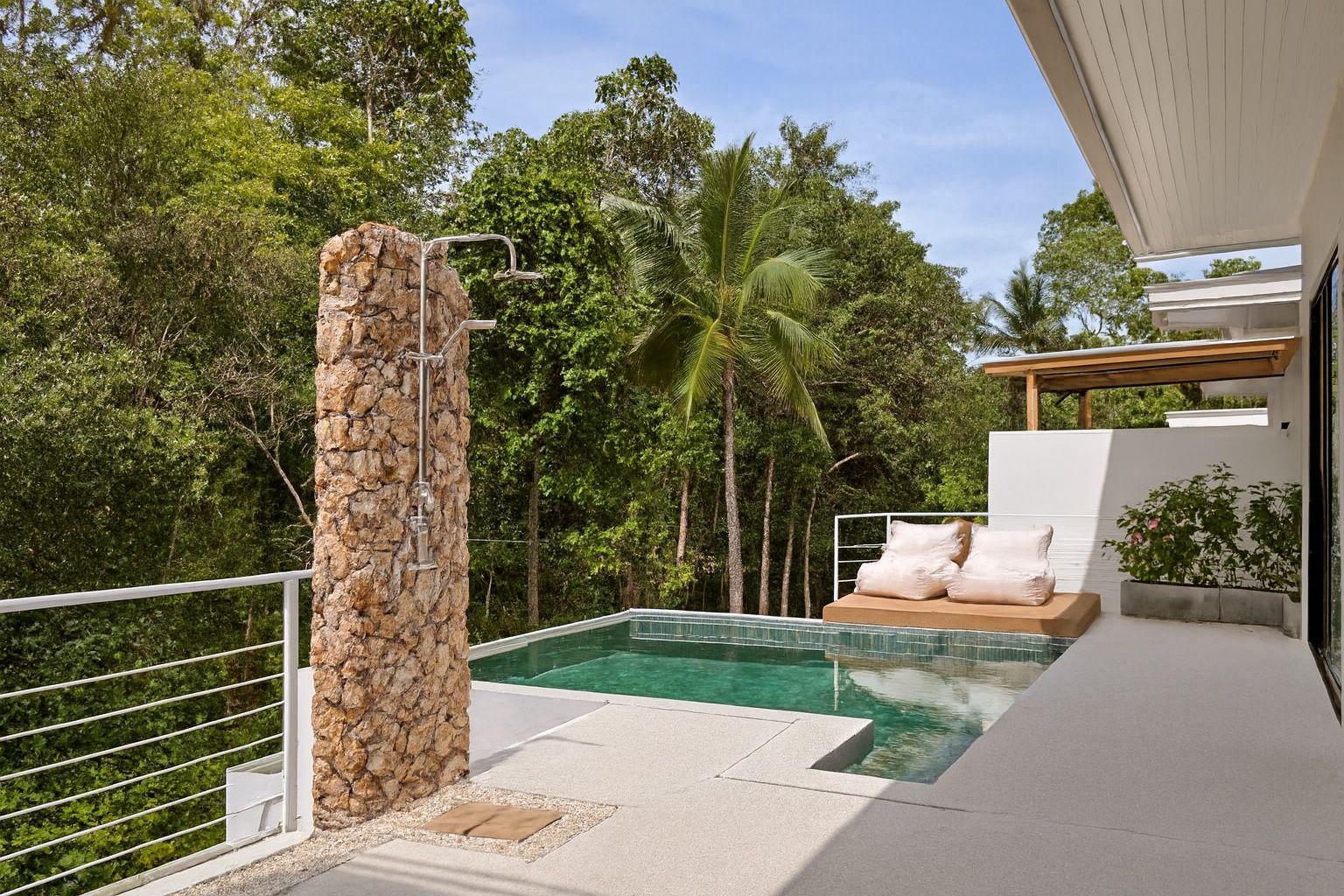
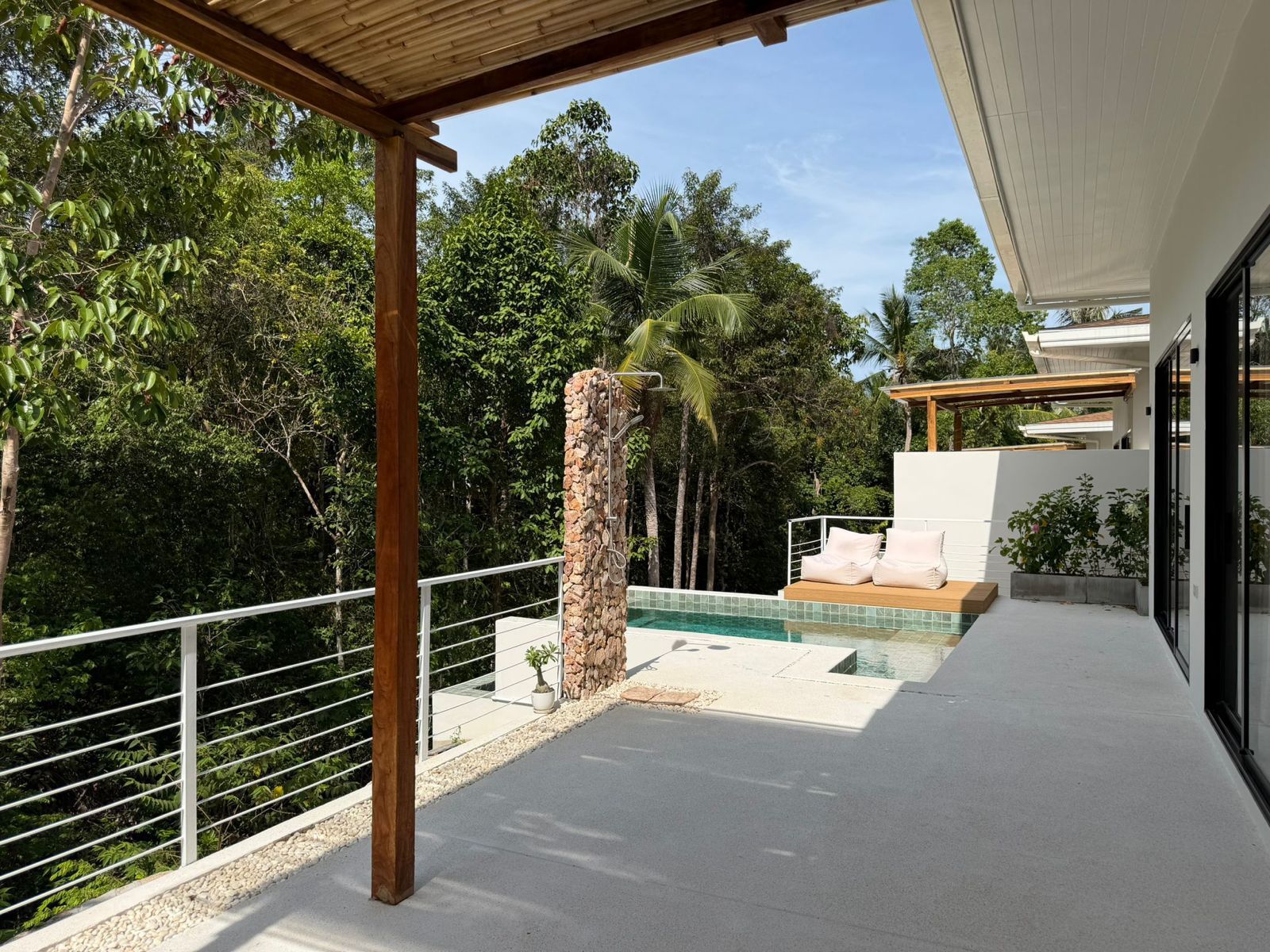
Why the cover photo matters so much
Search results are a grid of thumbnails. Your cover photo competes for a fraction of a second against a dozen others, and only the listings that win that moment get their remaining photos, description and price read at all.
That makes the cover a different job from the rest of the set. The other photos inform; the cover photo has one task, which is to stop the scroll.
Which room should lead
Lead with the property's strongest, most distinctive space - not necessarily the biggest one, and rarely the exterior unless the exterior is the selling point.
- Sales: the main living space, or the exterior if the facade, garden or street presence is genuinely impressive.
- Short-term rentals: the space that sells the stay - the view, the pool, the terrace, or a striking open-plan living area.
- Apartments and studios: the widest, brightest frame that communicates the whole layout at once.
- Renovated properties: the room where the renovation is most visible, usually the kitchen or main bathroom.
The thumbnail test
A photo that looks great full screen can be unreadable at 300 pixels wide. Before committing, shrink your candidate to thumbnail size on your phone and check three things: is it instantly readable as a room, is it bright enough to stand out in a grid, and is there one clear focal point?
Busy frames, dark corners and cluttered surfaces all collapse at small sizes. Simple, bright, geometrically clean images survive them.
- Bright and open beats moody and atmospheric at thumbnail scale.
- One dominant subject beats an even spread of detail.
- Straight verticals read as professional even when the image is tiny.
- Avoid frames where the crop cuts through a doorway or furniture edge awkwardly.
The technical standard a cover has to meet
Because it is displayed larger and more often than any other image, the cover photo is where finishing flaws are most costly. Three faults disqualify a candidate immediately: a colour cast that makes white walls look yellow or grey, a window blown to pure white with no view, and walls that lean inward.
All three are correctable rather than reasons to reshoot. This is exactly the work ProLister does on an uploaded frame - balancing exposure, neutralising colour, recovering the view through the window and straightening verticals - so your best-composed shot is also your best-finished one.
Crop, orientation and format
Shoot and keep cover candidates in landscape. Every major platform crops toward a wide thumbnail, and a portrait cover will be cut in ways you cannot control.
Leave a little breathing room around the focal point so platform-specific crops do not slice into it, and check how the image appears in the platform's own preview before you publish rather than trusting your own crop.
Choosing a cover photo on Airbnb
Airbnb search shows a grid of near-identical cards: one image, a price, a rating. A working Airbnb cover answers three questions at a glance: what kind of space is this, what is the best thing about it, and does it look well kept. Show one clear, recognisable space rather than a collage of features.
The strongest cover is rarely the most beautiful photo in your gallery; it is the one you can still understand at thumbnail size. The most common Airbnb cover mistakes are listed below.
- Portrait orientation, which Airbnb crops in ways you cannot control.
- A dark or evening shot that disappears in a bright grid.
- A close-up detail - a cushion, a coffee cup - that tells a guest nothing about the space.
- An exterior of a plain building when the interior is the actual selling point.
- A cover that looks noticeably better finished than the rest of your gallery, which creates a trust gap.
For city apartments
Lead with the brightest, widest living space, or a genuinely striking window view. In most city listings an interior communicates more than the building exterior.
For coastal and countryside stays
Lead with the view, terrace or pool if you have one. It is often the reason people choose the region, and it differentiates you from generic interiors on the same page.
Test, then iterate
Cover choice is testable. Run one cover for a week, note the click-through or view count your platform reports, then swap in your second-strongest candidate and compare the same window of time.
Most listings have two or three defensible cover options, and the gap between them in real traffic is often larger than anyone predicts by looking at the photos side by side.
Frequently asked questions
Does changing my Airbnb cover photo affect my ranking?
Possibly, indirectly. Airbnb says its search considers listing quality, including photos, and popularity signals such as saves, bookings and messages. A clearer cover may help those signals, but there is no guaranteed ranking effect and price, reviews and availability also matter.
How often should I change my cover photo?
Test deliberately rather than change frequently. One week per candidate is usually enough to compare views, and seasonal swaps make sense where the appeal changes.
Should the cover photo be the exterior of the property?
Only when the exterior is a genuine selling point. For most apartments and rentals, a bright interior or a standout view performs better because it communicates the experience of being there.
Can I change the cover photo after publishing?
Yes, on every major platform, and it is worth doing deliberately. Running two candidates for a week each and comparing views is the simplest reliable way to choose.
Does the cover photo need to be the highest resolution image?
It should be at least as sharp as the rest of the set, since it is displayed largest. Beyond a reasonable resolution, brightness, clarity and composition matter far more than pixel count.
Is it acceptable to enhance the cover photo?
Yes, provided the corrections are limited to light, colour and perspective. Enhancement that makes the space look accurate and well lit is standard; changes that misrepresent the property are not.