How photos connect to bookings
There is no reliable universal figure for how much photos change nightly rate or occupancy, and we do not quote one. What platforms do say is that photos matter: Airbnb lists photos among the listing-quality factors its search ranking considers, and recommends clear, well-lit, landscape images of every space. The practical conclusion is that weak photos are a handicap you can fix, not a guarantee of a specific result once fixed.
The reason is simple: demand on these platforms is visual. Guests scroll through dozens of thumbnails and tend to stop on the ones that quickly signal cleanliness, space and comfort. A dark, tilted or colour-cast photo fails that test before the price or reviews are even read.
What guests actually look at first
In practice, most guests meet a listing as a thumbnail in search results, then open the lead photo, check price and reviews, and only then browse the rest of the gallery. If the thumbnail does not earn the click, the other elements may never be seen.
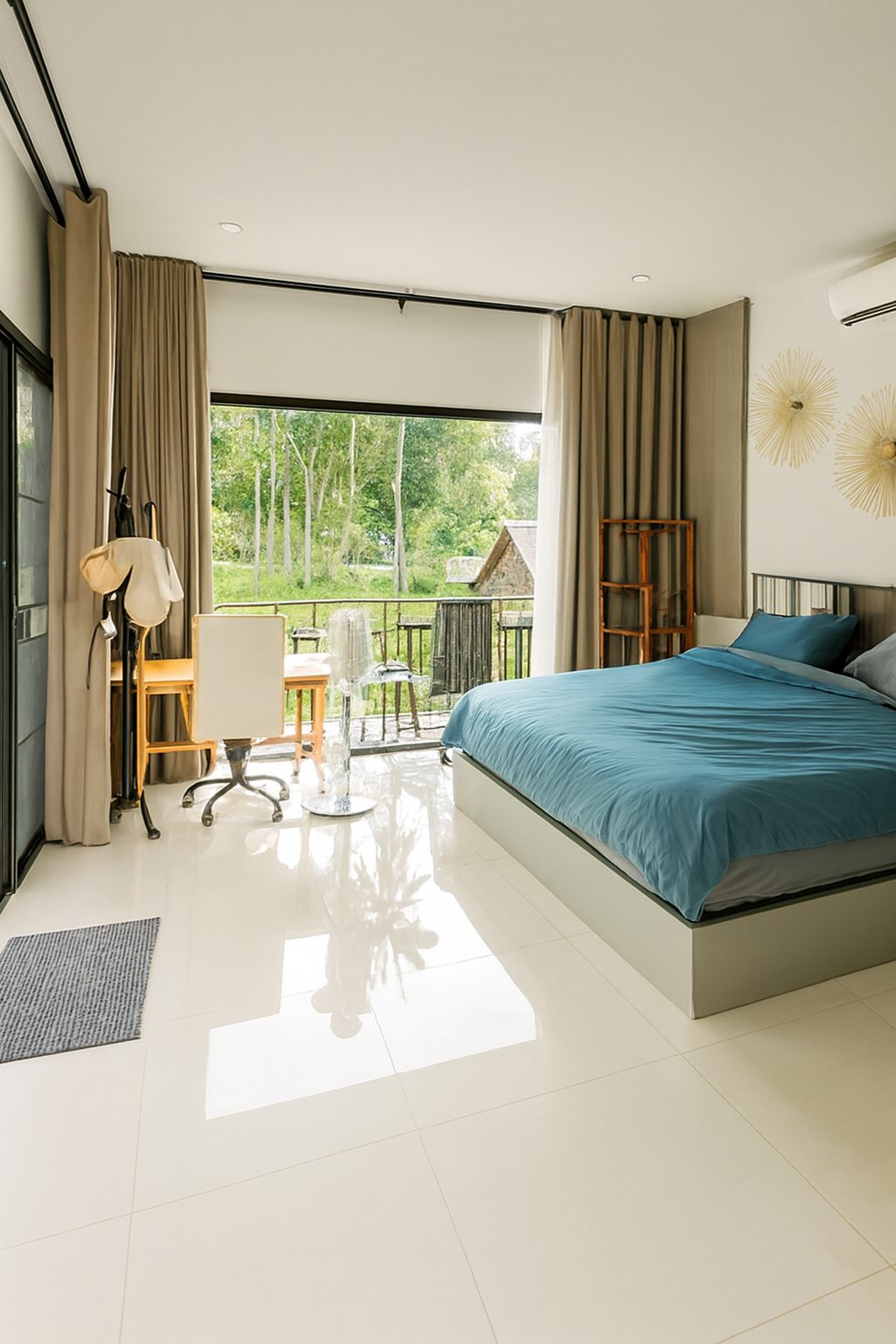
The thumbnail is judged on brightness, clarity and order. A well-lit room with straight verticals and neutral colour reads as professionally managed. A dark or distorted room reads as risky, even when the property itself is excellent.
What platforms say about photo quality
Airbnb publicly says its search considers listing quality - including photos and videos - and popularity, such as how often guests save a listing, book it or message the host. Other platforms publish less detail about their ranking. A stronger gallery can support quality and engagement, but it is one factor among many.
Our interpretation: because engagement can feed back into visibility, improvements in photos may compound over time. That is a reasonable expectation, not a measured guarantee, and price, reviews and availability can outweigh it.
- A clearer thumbnail that is easier to understand in search results.
- A gallery guests are more likely to save or share.
- Better review alignment because guest expectations match the photos.
- A listing that looks professionally managed, which supports confidence in your price.
How the full gallery supports a decision
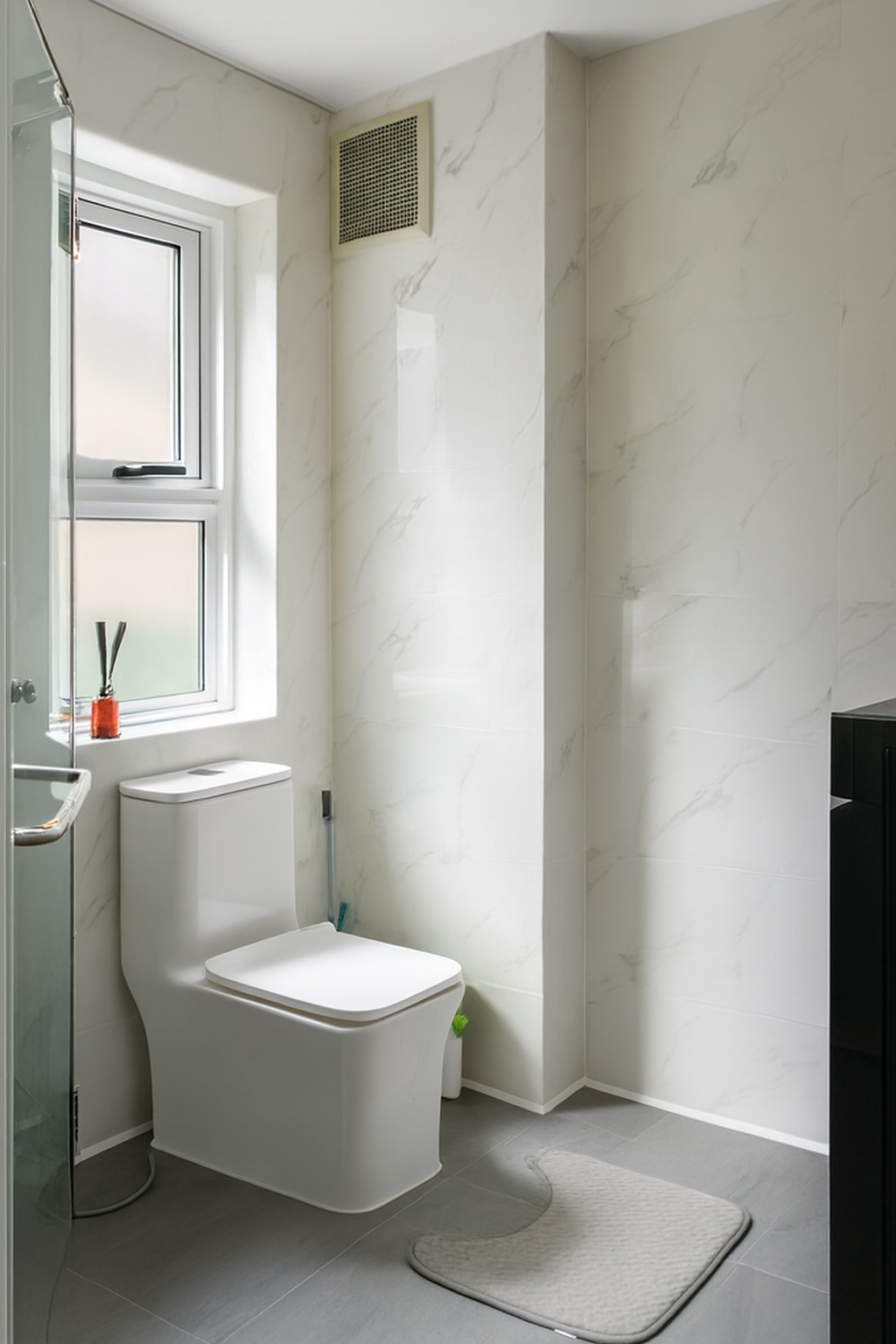
A booking is the result of a chain, and the gallery is the first link. The lead photo earns the click. The next five to ten photos answer the guest's practical questions: is the bed comfortable, is the bathroom clean, is the kitchen usable, does the space feel open?
If those photos are inconsistent - some dark, some bright, some warm, some cool - the guest subconsciously questions whether the property is well managed. Consistency across the gallery helps the property feel well managed.
What hospitality imagery actually needs
Hospitality imagery does not need expensive equipment. It needs to be bright, clean, consistent and honest: brightness creates appeal, cleanliness creates trust, consistency signals a well-managed property, and honesty protects reviews, because the guest is committing to a space they have only seen in photos.
Our view from working with listing photos: a property with weak photos may find it harder to compete on appeal and may end up relying more on price to stand out. That is a practical risk, not a measured effect.
Where ProLister fits
ProLister is built for the finishing step described above. It takes the photos you already have - shot on a phone or a camera - and returns them with balanced exposure, neutral colour, recovered shadow detail and straight verticals, all in a consistent style across the whole set.
For hosts and property managers, that means a gallery that looks professionally edited without hiring a professional editor. For agencies managing dozens or hundreds of listings, it means a repeatable standard that can be applied to every property in a portfolio.
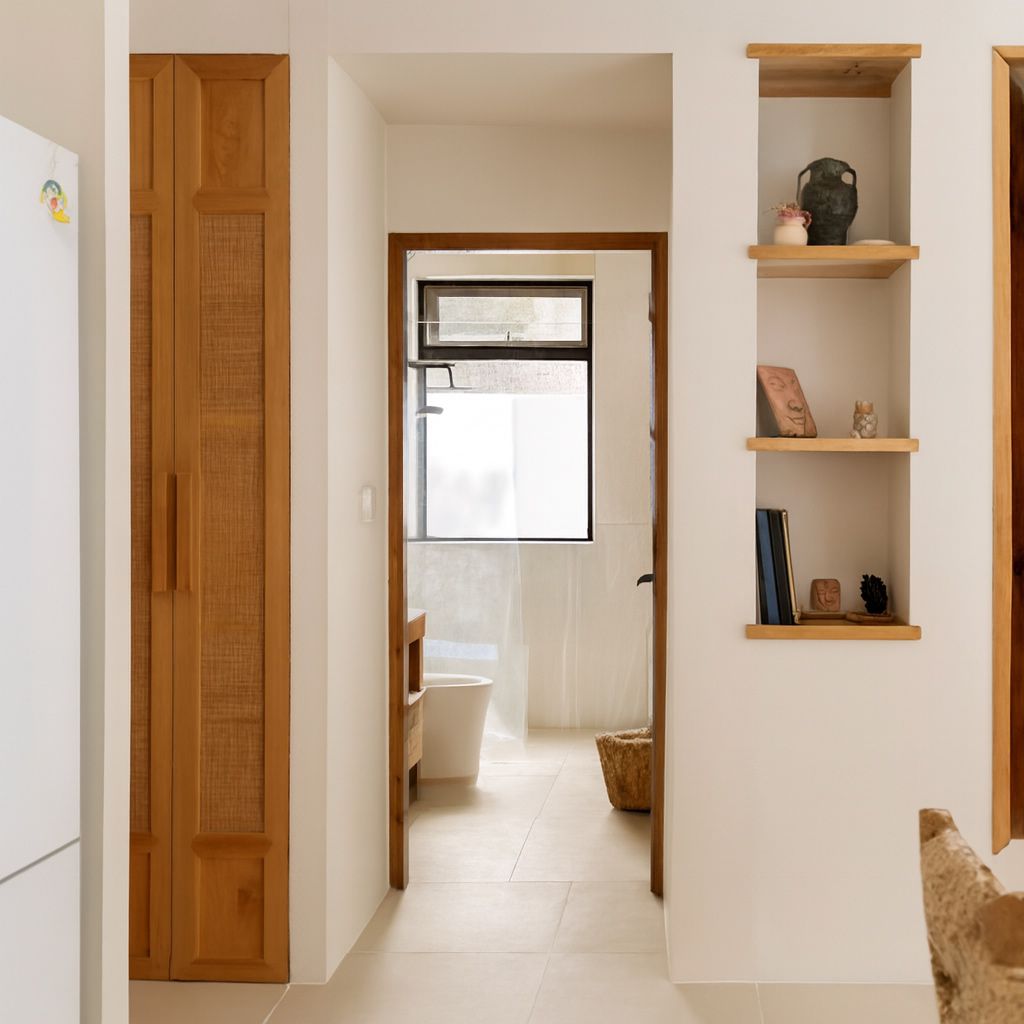
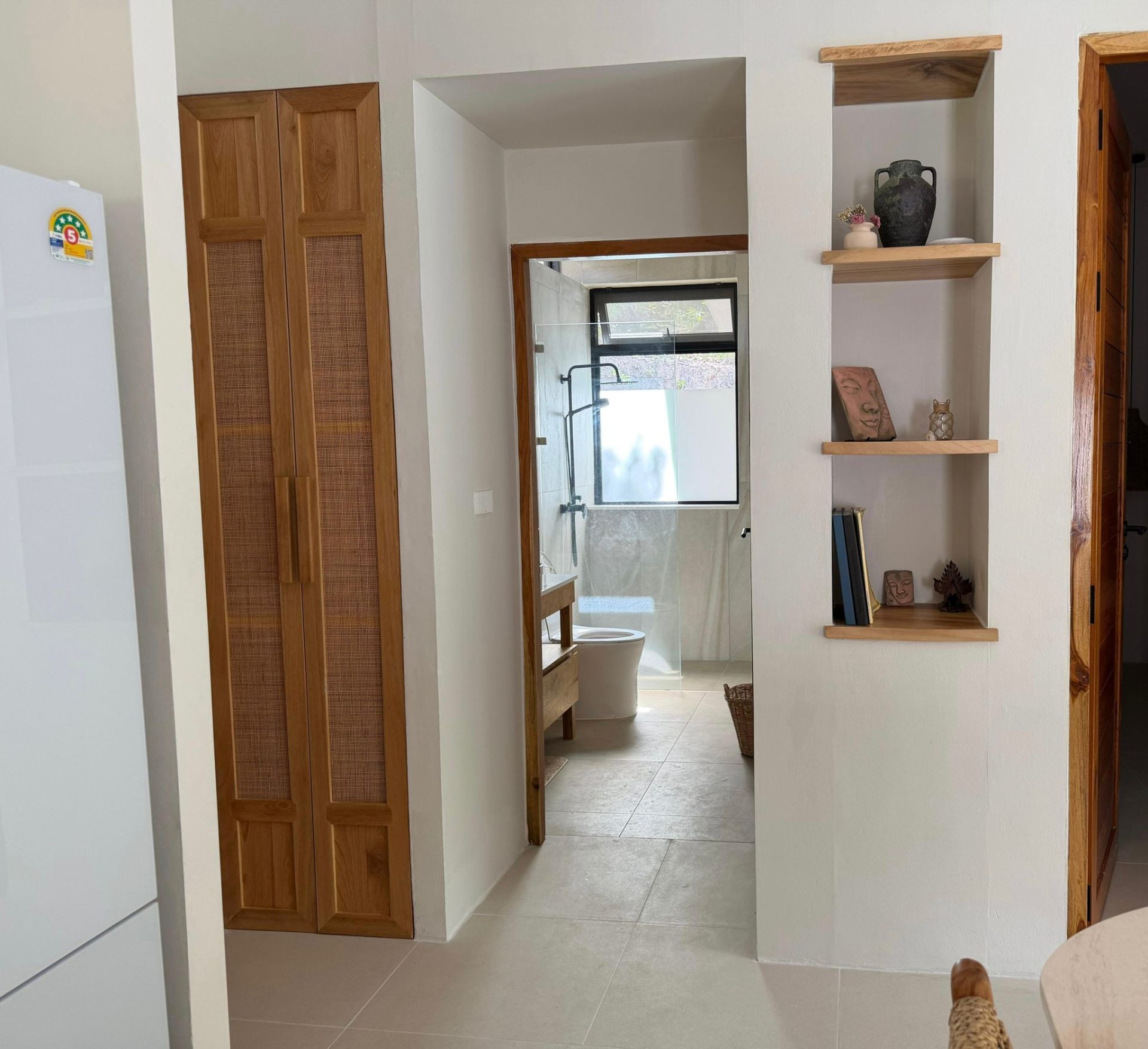
The output is also honest: rooms are not re-staged, furniture is not added, and views are not replaced. The property in the photo is the property the guest walks into, which helps keep guest expectations aligned with reality.
Practical first steps
Start with the lead photo. In our experience it carries much of the click decision. Then audit the next ten images for consistency: do they share the same brightness, the same colour temperature and the same straight verticals? Finally, make sure every bed, bathroom and key living space is represented, because those are the images guests linger on.
If the current gallery is weak, you do not need a full reshoot to see an improvement. In our practical view, correcting the existing shots is usually a better first step than adding more average shots, because consistency and quality matter more than quantity.
Frequently asked questions
Why is imagery more important in hospitality than in other industries?
Because the guest commits to a space they have not experienced. The photos have to show the space, build trust and set expectations all at once.
What makes a hospitality photo trustworthy?
Brightness, cleanliness, consistency and honesty. The photo should look like the property's best real day, not a different property.
Do professional photos really increase bookings?
There is no guaranteed result, and we do not quote a universal figure. Airbnb says listing photos are part of how it assesses quality in search, and clear photos help guests trust a listing. Price, location, reviews and availability also strongly affect bookings.
Which photo matters most?
The lead thumbnail. It determines whether a guest clicks through from search results, and without that click the rest of the listing is never seen.
Can phone photos work for hospitality listings?
Absolutely, if the finishing step is handled. Light, framing and editing matter far more than the camera brand.
How quickly can I update an entire gallery?
With batch enhancement, a full gallery can be processed in minutes and kept consistent across every image, which is the key to looking professionally managed.
Will enhanced photos still match the real property?
Yes, when enhancement is limited to light, colour and geometry. The room itself stays unchanged, so guest expectations align with arrival.