Composition and camera mistakes
1. Shooting from standing height
Standing height looks down into a room, enlarging the floor and shrinking the walls. Drop to roughly chest height for every interior shot and keep that height consistent across the set.
2. Tilting the camera
A tilted camera makes vertical lines converge, so walls and door frames appear to lean. It is the single most recognisable amateur signature in listing photography. Keep the phone or camera perfectly vertical, and correct any residual lean afterwards.
3. Over-using the ultra-wide lens
Extreme wide angles bend straight lines and inflate the apparent size of a room. Buyers who feel misled at the viewing rarely make an offer. Use the standard lens wherever the space allows.
4. Shooting flat into a single wall
A wall photographed head-on has no depth. Shoot along the longest diagonal so the frame includes two walls and some floor.
Lighting and colour mistakes
5. Dark, underexposed rooms
Dark thumbnails get skipped. Expose for the room rather than the window, shoot in the best available daylight, and lift the shadows afterwards rather than accepting a dim frame.
6. Blown-out windows
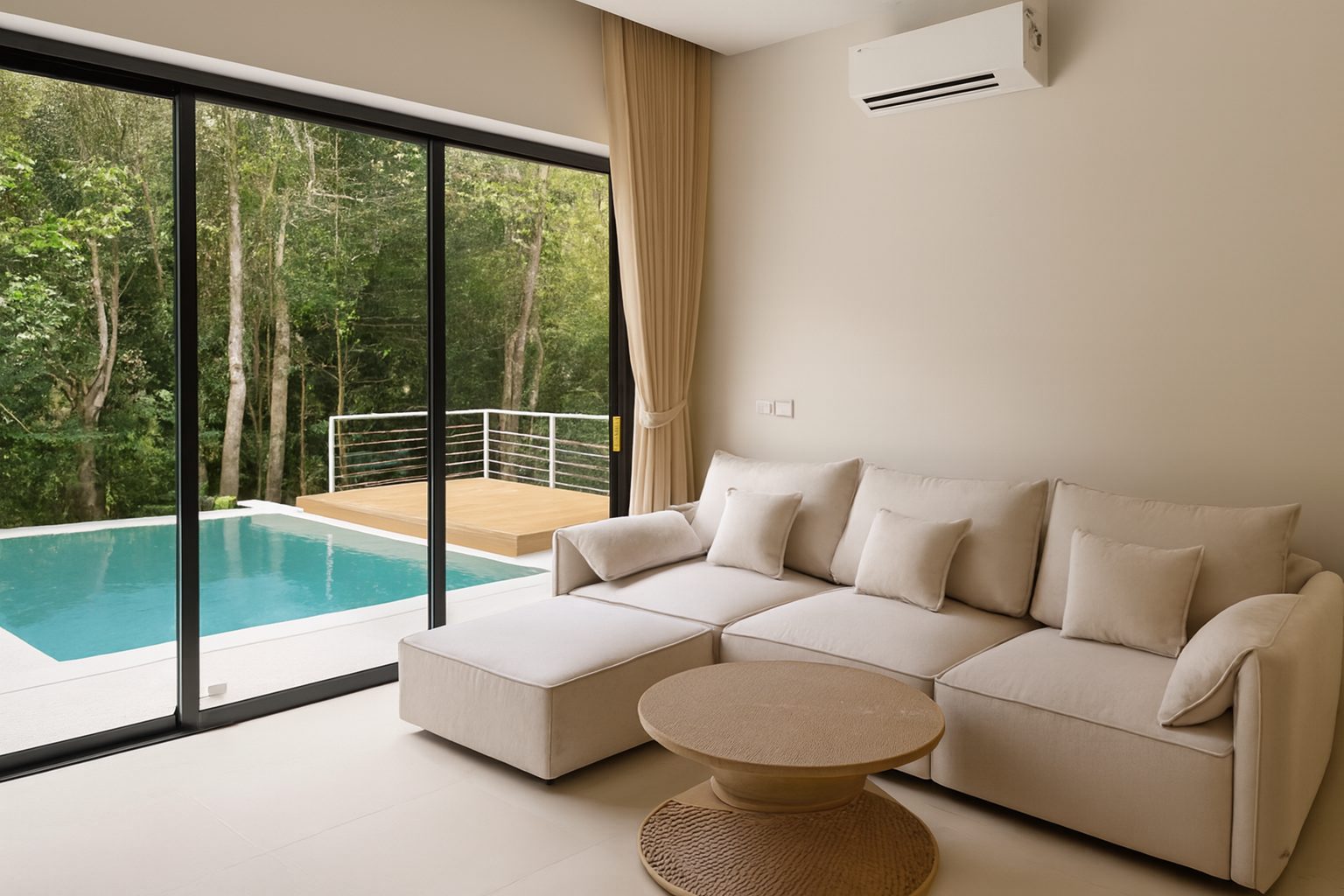
A pure white window removes the view - often one of the property's strongest selling points. Enable HDR, or capture the room correctly and recover highlight detail in post.
7. Mixed colour temperatures
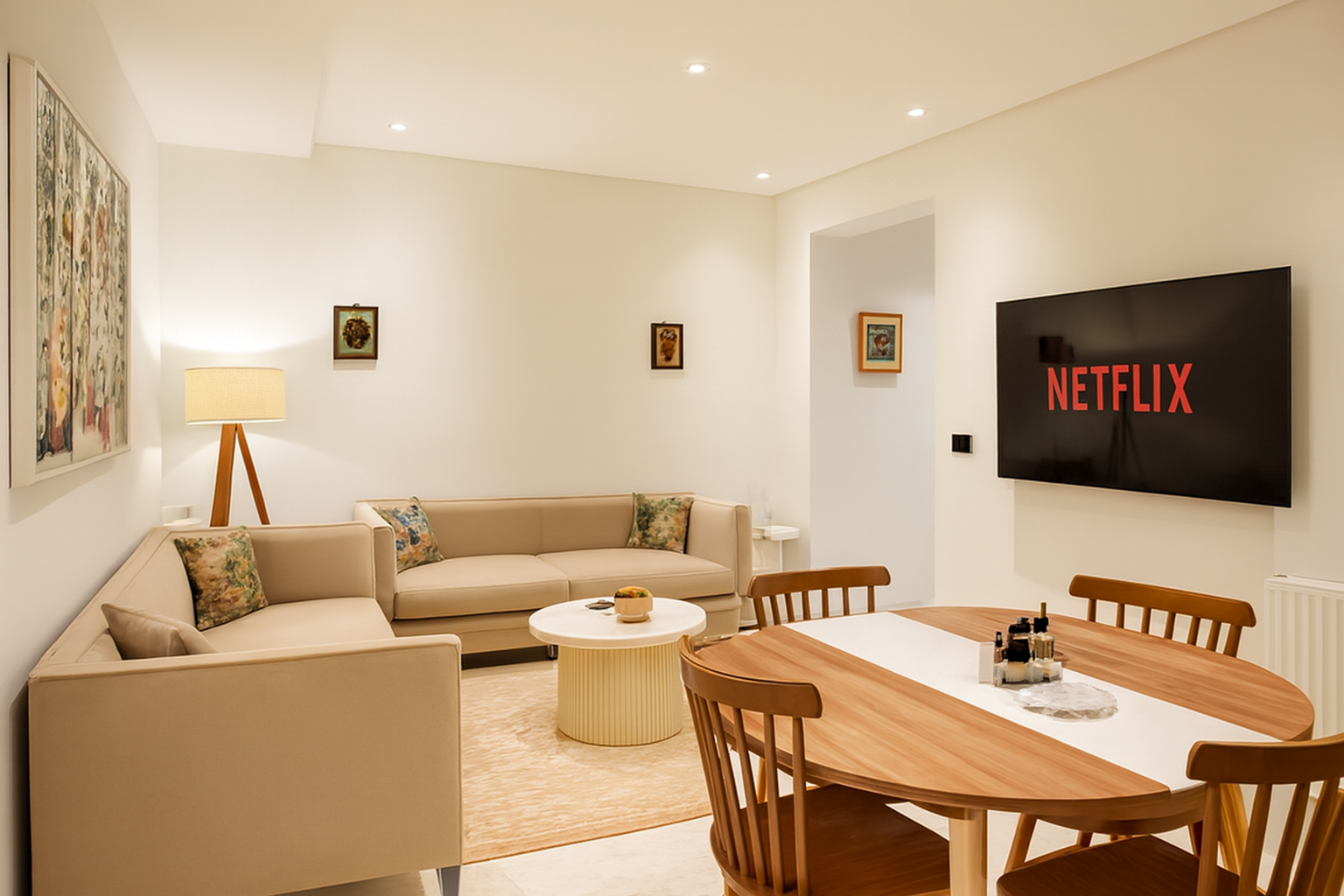
Warm bulbs against cool daylight produce a room that is orange on one side and blue on the other. Choose one light source per room, or neutralise the cast afterwards.
8. Using on-camera flash
Direct flash flattens depth, creates hard reflections in glass, gloss and mirrors, and produces a colour cast that fights the ambient light. Turn it off and use daylight instead.
Preparation and staging mistakes
9. Clutter and personal items
Worktop appliances, toiletries, cables, bins, laundry, pet bowls and family photographs all pull attention away from the property and stop a buyer imagining themselves in it. This is the one category no software can rescue.
10. Reflections of the photographer
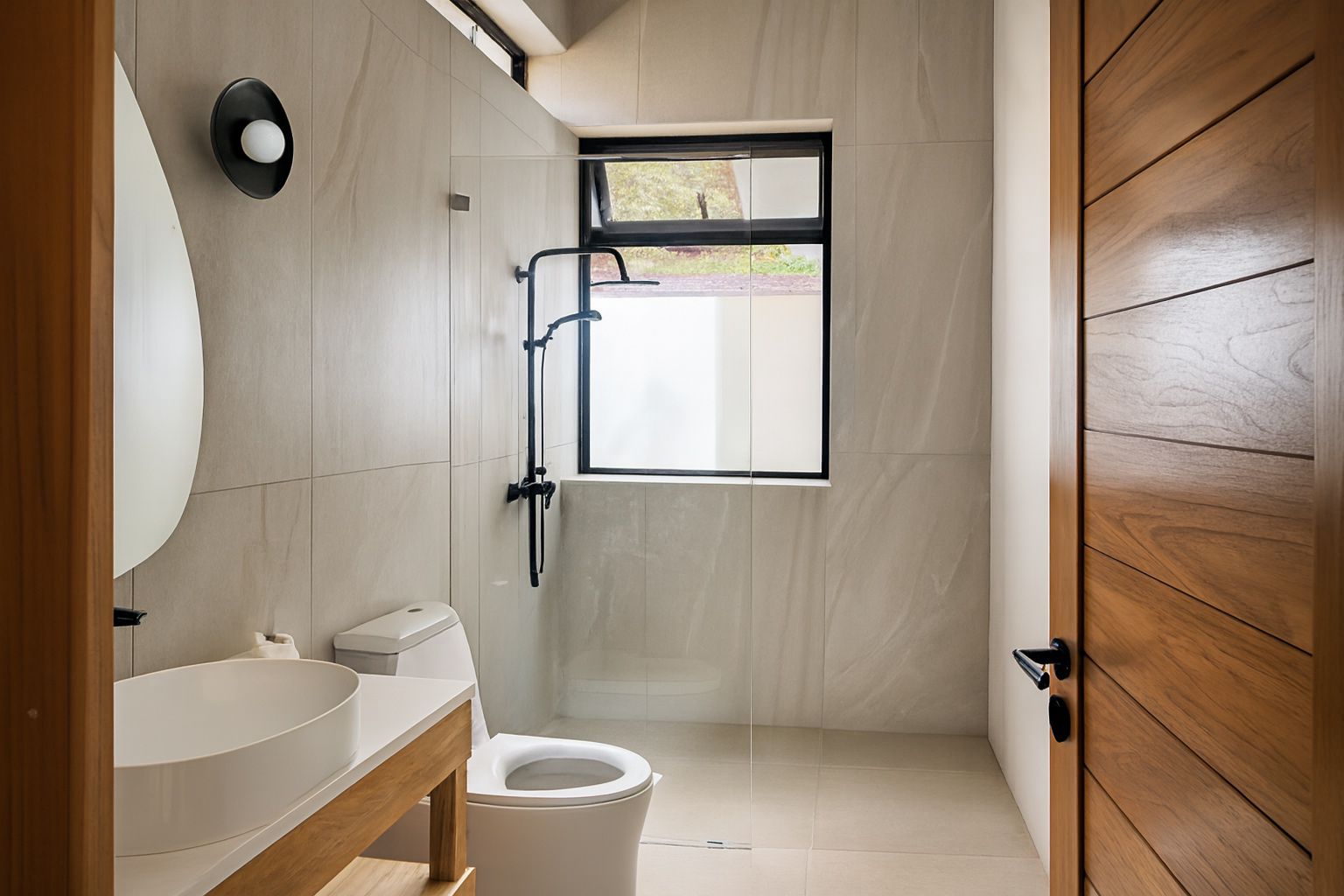
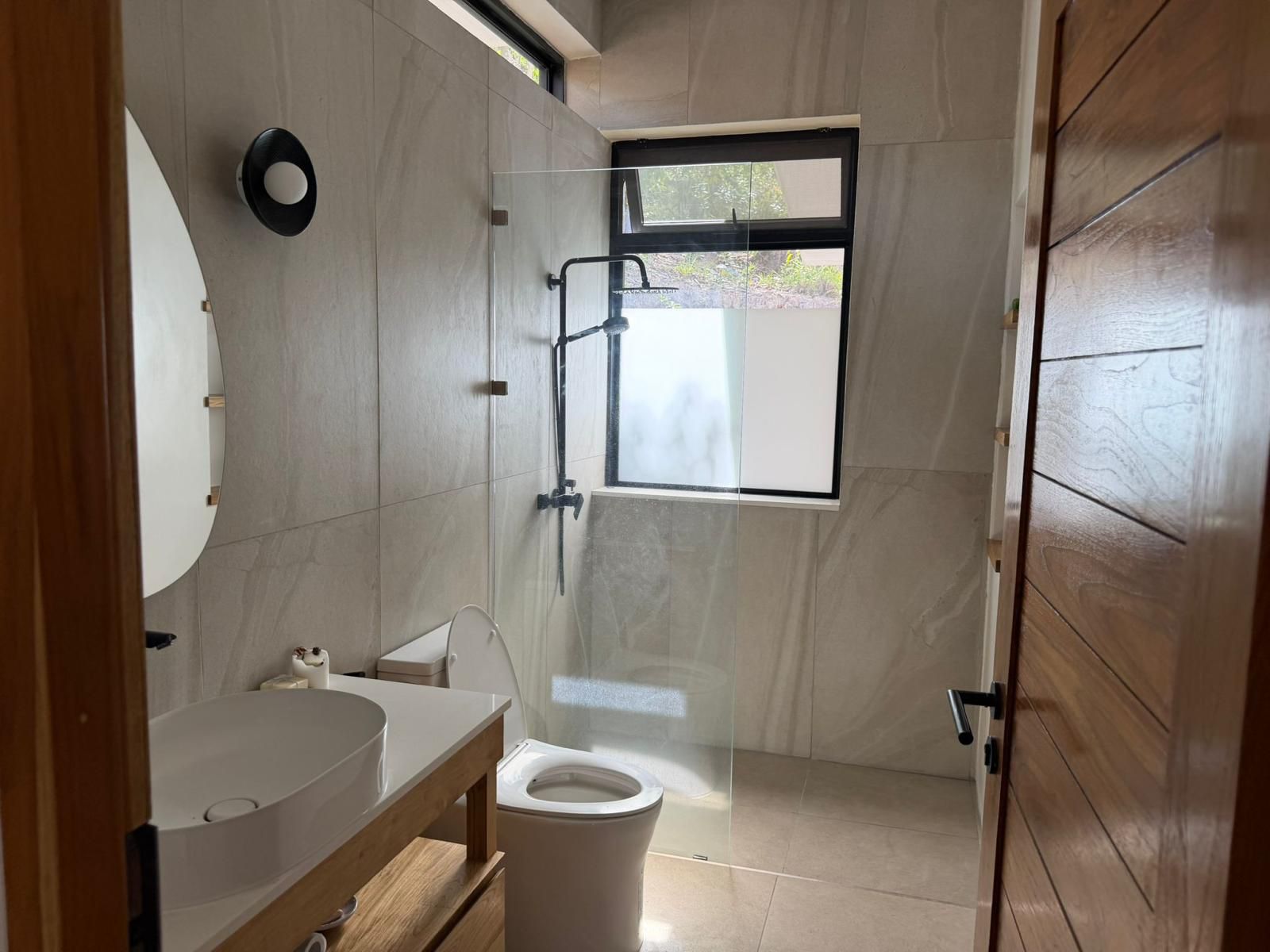
Mirrors, windows, televisions and glass shower screens catch the person holding the camera constantly. Check the frame before you shoot, and shoot from an angle that puts you outside the reflection.
11. An inconsistent set
Images shot across different days, in different weather, with different brightness and colour, read as careless even when each individual photo is decent. Shoot the whole property in one session and finish every image the same way.
Which mistakes you can still fix afterwards
The useful distinction is between mistakes baked into the scene and mistakes baked into the file. Clutter, a bad angle, a missing room and a visible reflection have to be re-shot. Exposure, blown windows, colour casts, leaning verticals, flat contrast and set inconsistency do not.
ProLister targets that second group directly. Upload a photo you already took and it returns with balanced light, recovered highlights, neutral colour, straight verticals and a finish consistent with the rest of your set - while leaving the room itself exactly as photographed.
So the practical workflow is: fix the scene before you shoot, shoot carefully, then let enhancement handle the technical errors instead of re-shooting the property twice.
A pre-shoot checklist
- Lens cleaned, flash off, HDR on, grid enabled.
- Chest height, phone vertical, standard lens.
- Curtains open, one light source per room, best daylight of the day.
- Surfaces cleared, bins and cables hidden, beds made, toilet lids down.
- Shoot the whole property in one session, two angles per key room.
- Review on a phone screen before publishing.
Frequently asked questions
What is the most common real estate photography mistake?
Underexposed rooms. Dark thumbnails are skipped in search results before a buyer ever opens the listing, and the fix - correct exposure and lifted shadows - is straightforward.
Why do my walls look like they are leaning?
The camera was tilted up or down. Keeping the camera perfectly vertical prevents it, and perspective correction in post removes any lean that remains.
Should I photograph a property at night?
Only as a supplementary shot, such as a lit exterior or terrace. The main set should be daylight, because buyers judge space and condition far better in natural light.
Is it a mistake to edit listing photos?
No - every professional set is edited. It becomes a problem only when editing misrepresents the property, such as removing permanent fixtures, adding furniture that does not exist or replacing the view through a window.