Start with the real estate lead funnel
A lead is the result of several small decisions. Someone must notice the property, click the listing, trust what they see and believe that contacting you is worth the effort. Improving only the contact form will not help if weak photos lose the visitor in the search results.
Audit the funnel in that order: impressions, listing views, saves, inquiries and qualified conversations. The first weak ratio tells you where attention is being lost and prevents you from changing everything at once.
- Low impressions: improve distribution, listing completeness and local relevance.
- Impressions but few views: test the cover photo and headline.
- Views but few inquiries: strengthen the gallery, description, price alignment and call to action.
- Many inquiries but few qualified prospects: make the requirements and next step clearer.
Win the click with the listing image
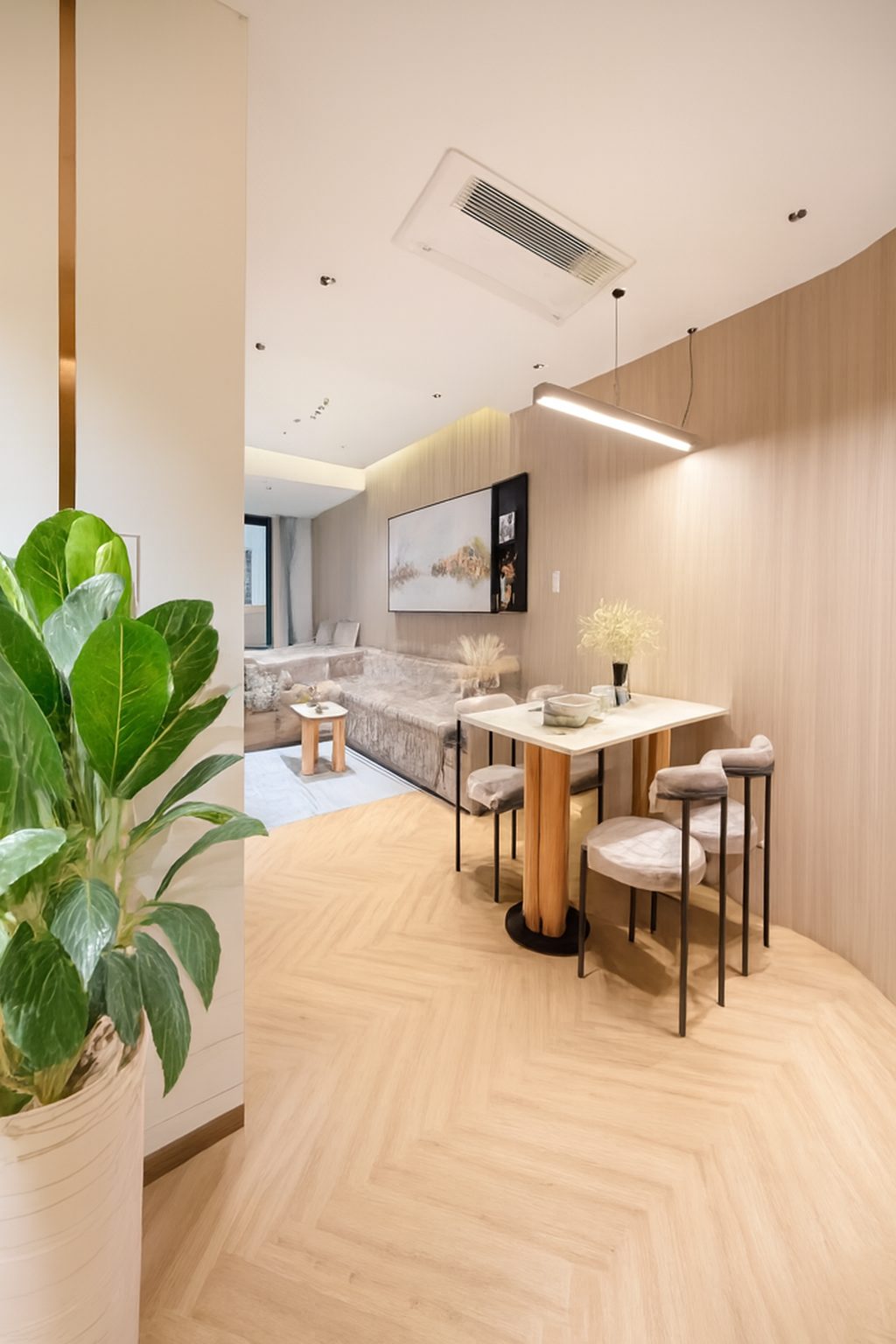
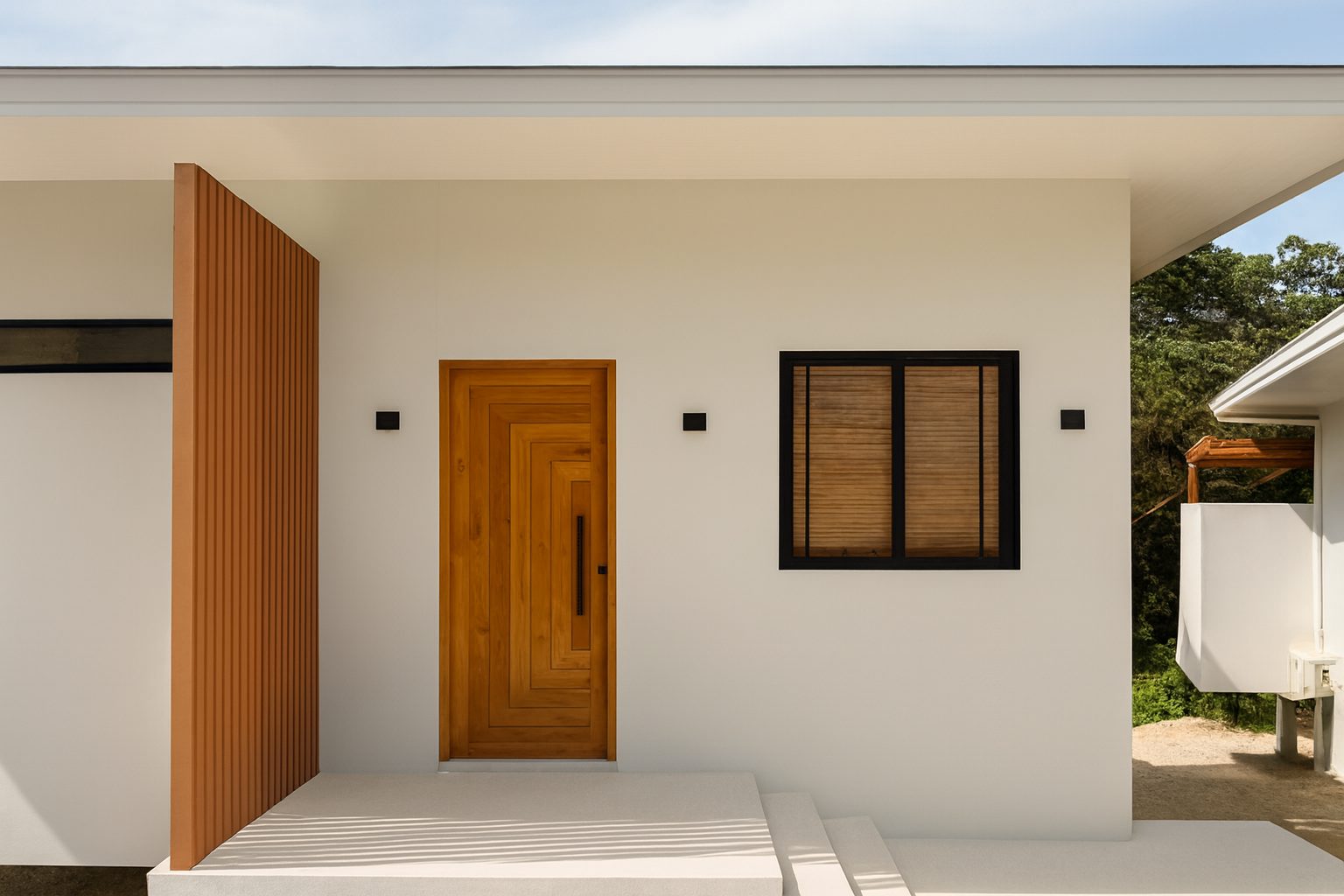
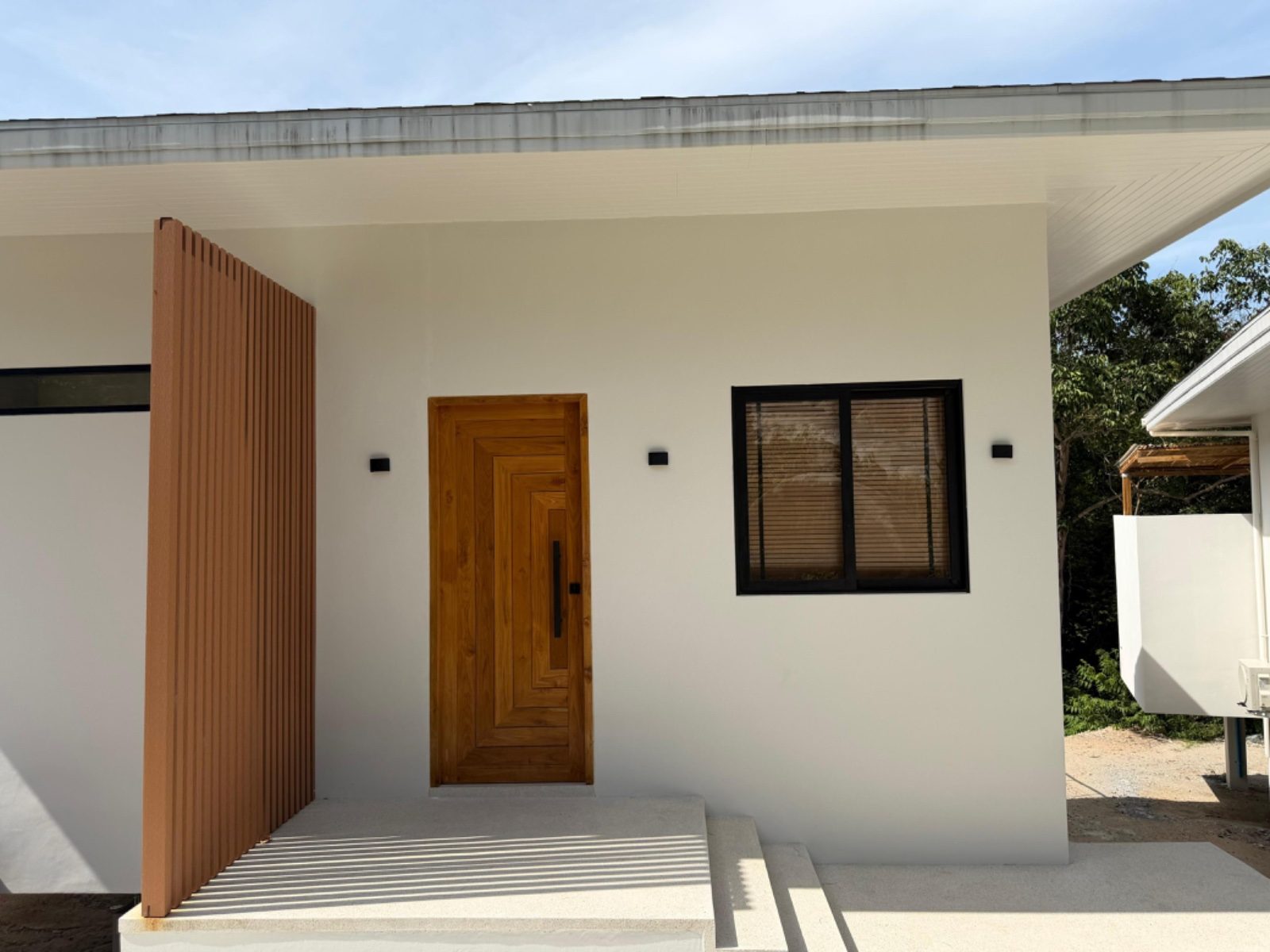
On a portal results page, the cover photo does most of the early work. It should show a recognisable selling point, read clearly at thumbnail size and look bright without appearing artificial. Dark rooms, leaning walls and heavy colour casts make even a good property feel neglected.
Choose the image that explains the value fastest, not necessarily the widest room. For a family house that may be the exterior; for an apartment it may be the living space and view. Keep the composition clean and make sure the image still represents what a visitor will see.
Build trust through the full listing
The cover earns attention, but the rest of the listing decides whether that attention becomes a lead. A complete, consistent gallery lowers uncertainty by showing the layout, condition and important features before the prospect has to ask.
Make the gallery answer practical questions
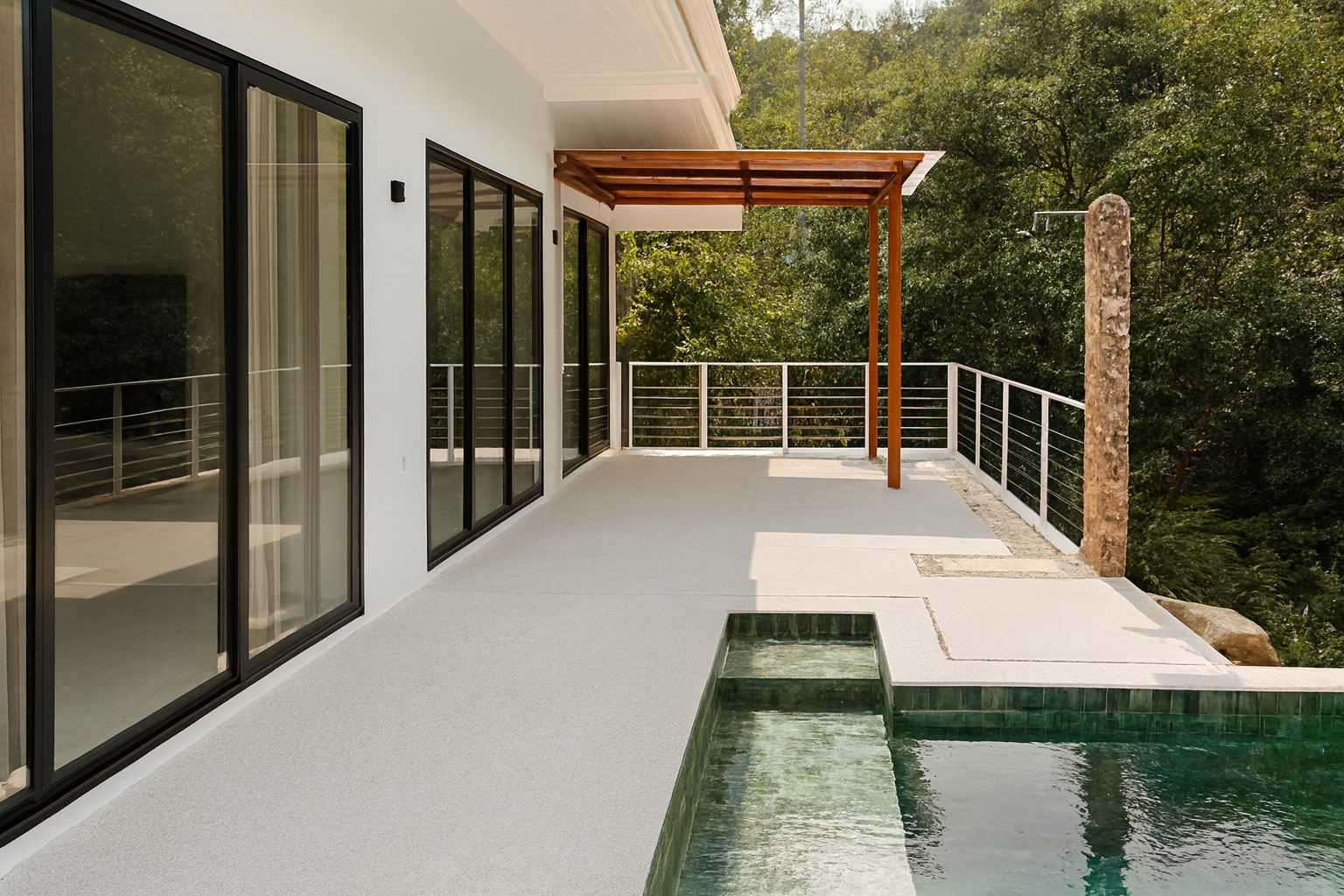
Show every principal room, useful connections between spaces, the exterior and any feature mentioned in the copy. Remove near-duplicates and place the strongest five images first, because many visitors will not reach the end.
Align the words with the pictures
If the description promises natural light, outdoor living or a renovated kitchen, the gallery should prove it immediately. Specific, verifiable claims create more confidence than generic phrases such as must-see or stunning property.
Distribute one strong listing consistently
Publish where your audience already searches, then keep the core facts, price and imagery consistent across every channel. A portal listing, agency website, email alert and social post should feel like the same property, not four competing versions.
Create channel-specific entry points rather than copying the full listing everywhere. A social post can lead with one visual feature, while an email can target people who previously asked about the same area or property type. Both should lead back to one complete, current listing.
- Use local terms naturally in the title and opening description.
- Share a single clear selling point rather than a collage of every feature.
- Send relevant new listings to matched contacts instead of the full database.
- Keep availability and price current wherever the property appears.
Convert interest with a clear next step
Do not make a prospect search for the next action. Place a direct inquiry or viewing option beside the listing and state what happens after submission. Short forms usually perform better at this stage because qualification can continue in the reply.
Speed matters because the same prospect may contact several agents. A fast, useful response should answer the immediate question, suggest a viewing time and include one relevant detail that proves a person has read the inquiry.
- Ask only for the details needed to reply.
- Offer specific viewing windows where possible.
- Use an automatic acknowledgement, then follow with a personal response.
- Track the source of every inquiry so you know which channels produce qualified leads.
Improve lead volume without guessing
Measure each listing for at least one meaningful comparison period, then change one major variable. If impressions are healthy but clicks are weak, replace the cover photo. If views are strong but inquiries lag, review the gallery order, description, price and contact path.
ProLister makes the visual test fast: enhance an existing photo for balanced light, natural colour and straight verticals without changing the property, then compare its performance with the previous lead image. This isolates presentation quality without paying for a new shoot.
Frequently asked questions
What is the fastest way to get more real estate leads?
Improve the point where your current funnel loses the most people. For many listings that is the cover photo, because a stronger thumbnail can turn existing impressions into more listing views immediately.
Do better real estate photos generate more leads?
They can generate more opportunities by improving click-through and trust. Photos cannot correct an unrealistic price or weak demand, but they help the right prospects notice and understand the property.
Which real estate lead sources should I track?
Track portal, website, email, social, referral and repeat-client inquiries separately. Compare qualified conversations and appointments, not just raw form submissions.
How quickly should an agent respond to a new inquiry?
As quickly as the team can provide a useful personal answer. An immediate acknowledgement is helpful, but it should be followed promptly by availability, a direct answer and a clear next step.
Should I change several listing elements at once?
No. Change one major variable at a time when possible, such as the lead image or description, so the next set of results tells you what actually improved performance.