Why small rooms photograph badly
Most small rooms look smaller in photos than they feel in person, and the cause is rarely the room. Standing in the middle of a compact space and shooting at chest height compresses depth, crops the floor out of frame and removes every visual cue a viewer uses to judge scale.
Add a warm ceiling bulb fighting cool daylight, plus walls that lean inward because the phone was tilted up, and the result reads as cramped and dim even when the space is perfectly comfortable.
Camera position does most of the work
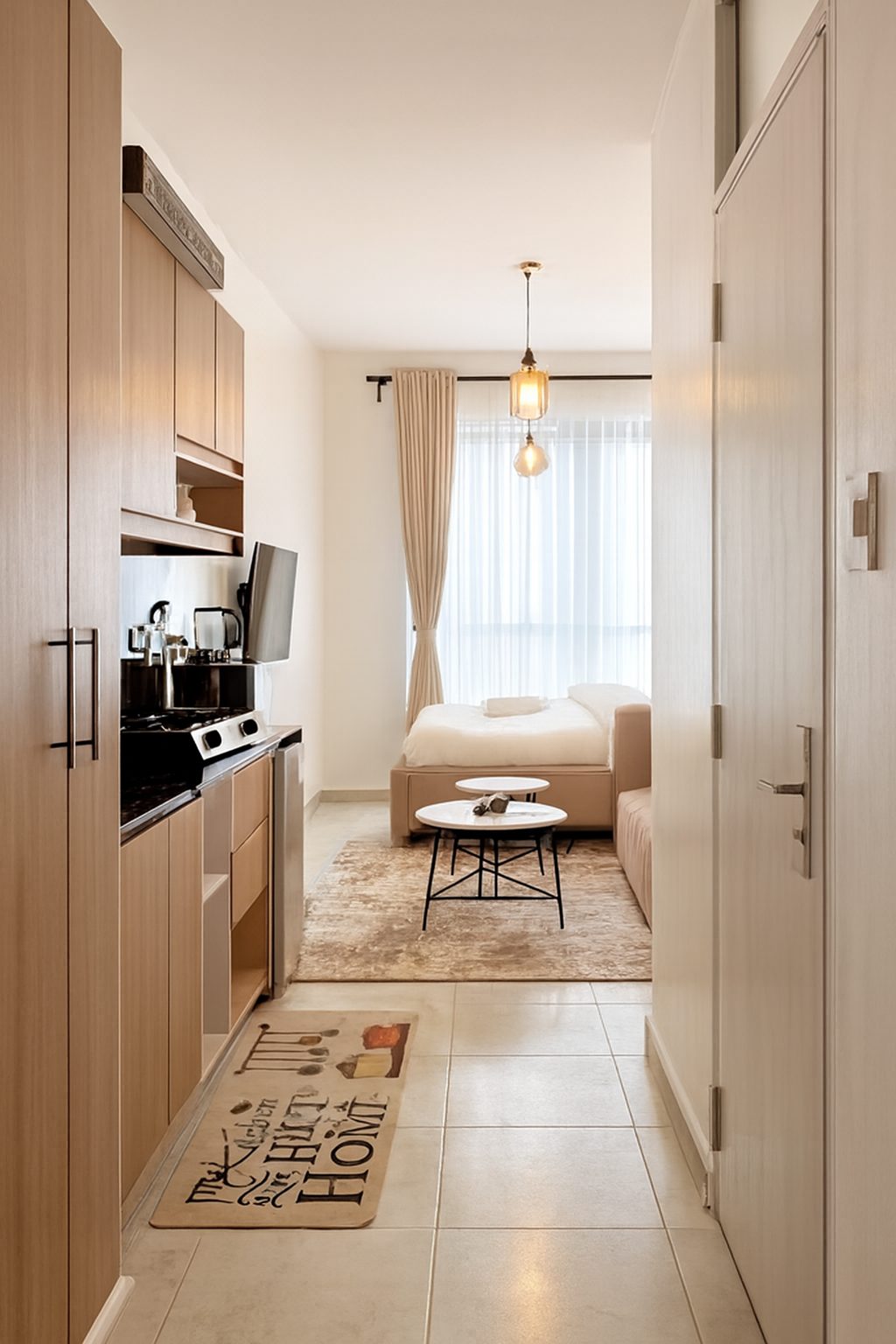
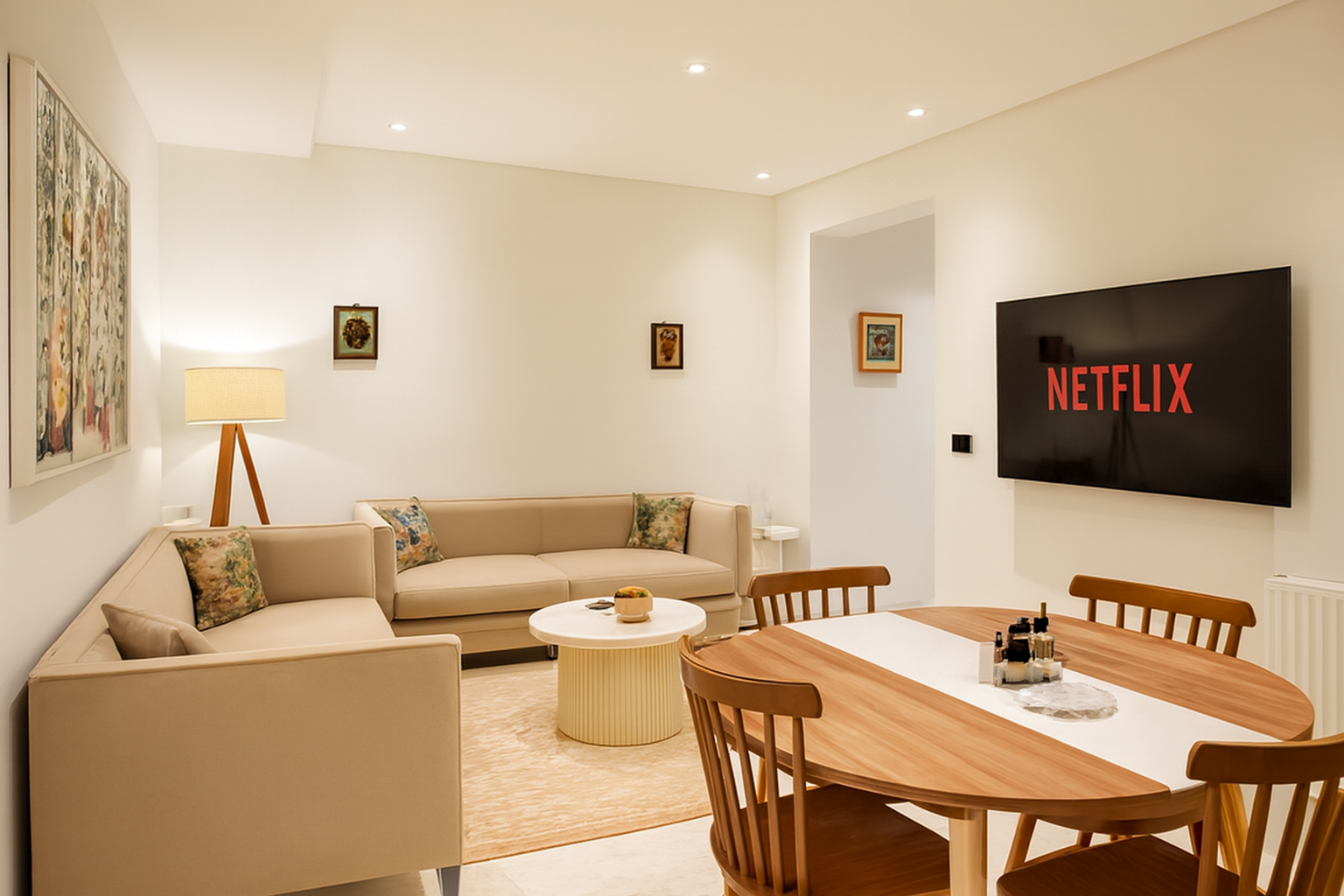
Position beats every other technique for small spaces. Back into a corner, and if the room is tight, shoot from the doorway or just outside it so the frame captures two full walls and a run of floor.
- Shoot from a corner, not the centre of the room.
- Hold the camera at roughly chest to waist height - around 1.2 to 1.4 metres - so more floor is visible.
- Keep the phone perfectly level; tilting up or down distorts the walls and shrinks the space.
- Include a doorway, window or passage in the frame to imply the room continues.
Light and depth cues
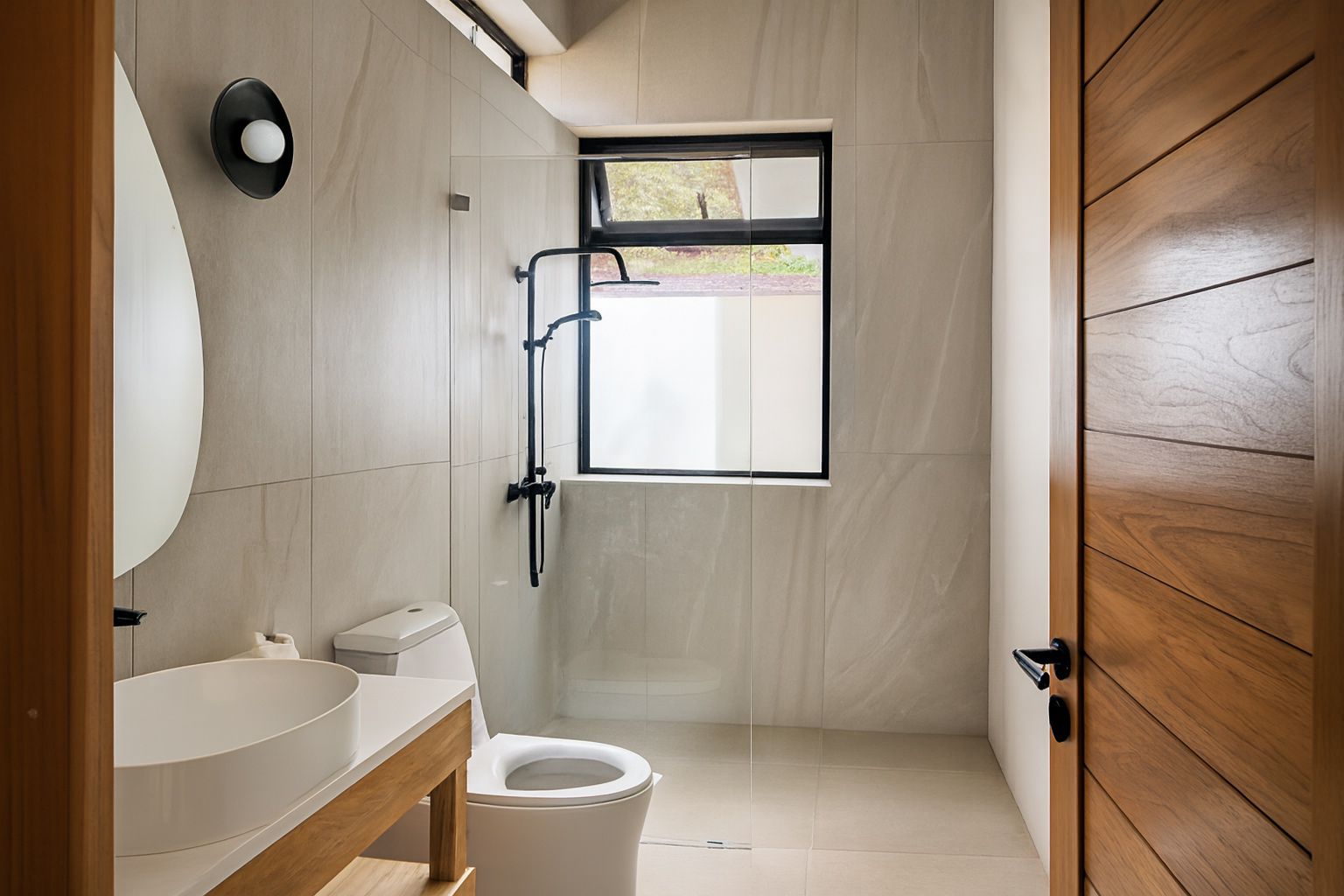
Bright, even light expands a room visually because it removes the dark corners that a viewer reads as boundaries. Open every curtain, shoot during the brightest part of the day, and turn off warm ceiling lights that clash with the daylight coming through the window.
Depth cues matter just as much. A visible line of floor leading away from the camera, a reflection in a mirror, or a view through a window all tell the eye that the space extends beyond the frame.
Mirrors and reflective surfaces
A mirror placed opposite a window doubles the perceived light and depth, but only if the camera is not visible in it. Check the reflection in your preview before you shoot rather than after.
Floor visibility
Visible floor is the single most reliable signal of space. Pull furniture a few centimetres away from walls, clear rugs of clutter, and make sure the bottom of the frame shows a clean, continuous surface.
Staging a small room for the camera
Small rooms punish clutter more than large ones. Every extra object competes for the same limited visual area, so reducing the object count usually does more than rearranging the furniture.
- Remove one or two pieces of furniture entirely rather than shuffling everything.
- Clear all worktops, bedside tables and windowsills down to one or two intentional items.
- Keep bedding and upholstery light and plain; busy patterns visually shrink a room.
- Hide bins, cables, drying racks and anything that signals daily mess.
The finishing step that completes the effect
Even a well-composed small-room shot usually needs correction before it competes with professional listings. The three faults that make compact spaces look worse than they are - leaning walls, a warm-versus-cool colour clash, and shadowed corners - are all fixable after the shoot.
ProLister handles exactly that: verticals are straightened so the walls stand upright, colour is neutralised so white surfaces read white, and shadow detail is recovered so corners stay open instead of closing the frame in. Nothing is added, removed or resized - the room stays the room, it simply stops looking smaller than it is.
What not to do
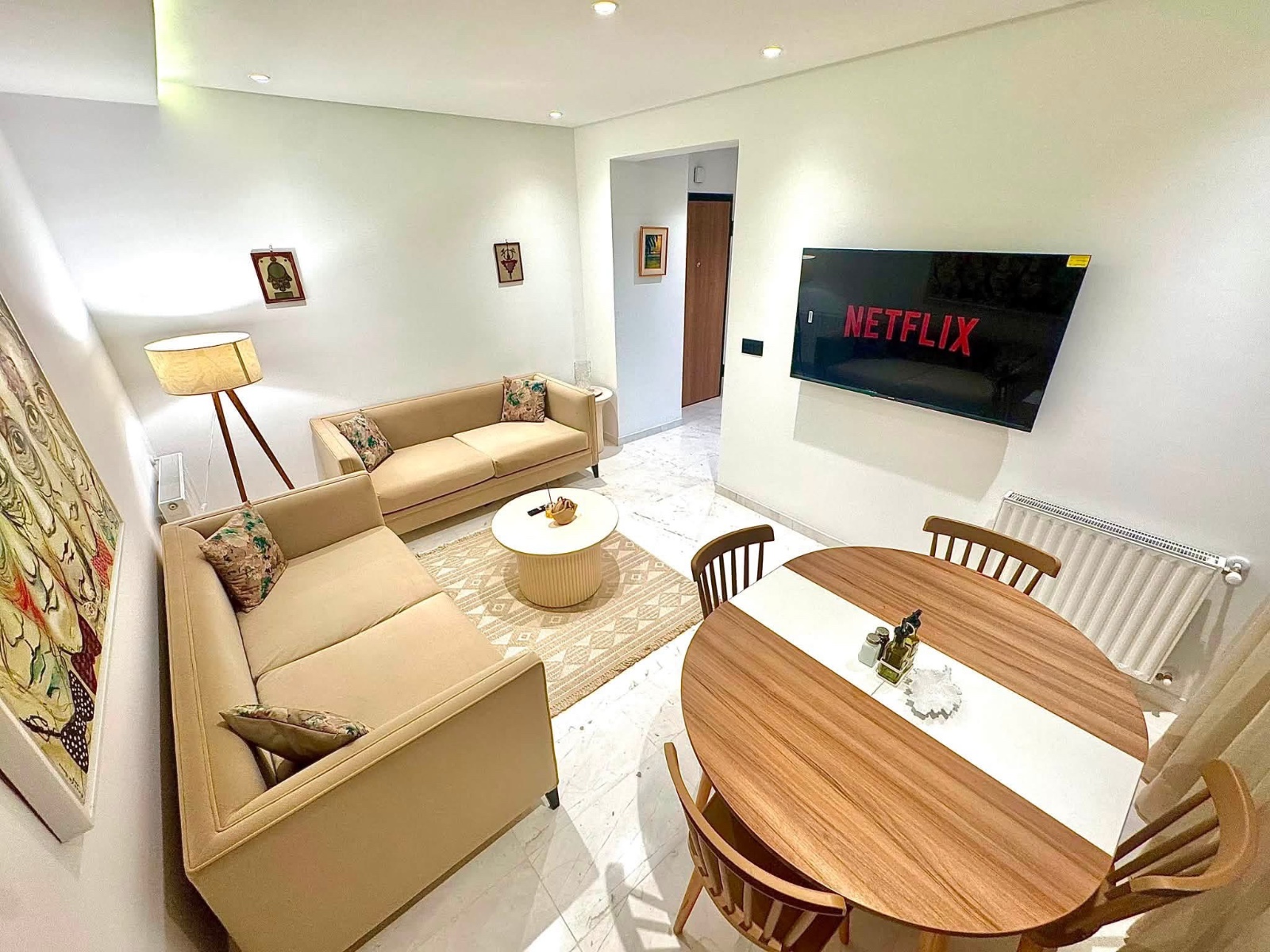
There is a line between making a room look its best and misrepresenting it. Extreme wide-angle lenses that bend the walls, stretched crops and AI edits that widen a space all create a gap between the photo and the viewing - which costs you the booking or the offer at the worst possible moment.
Honest technique performs better anyway. Guests and buyers reward accuracy: a compact room presented clearly and brightly converts better than an exaggerated one that disappoints in person.
Frequently asked questions
What lens or mode should I use for a small room?
Use your phone's standard wide lens rather than the ultra-wide. Ultra-wide bends straight lines and exaggerates size, which looks unnatural and can mislead viewers about the real dimensions.
Does shooting from the doorway count as cheating?
No. Shooting from a doorway or corner is standard professional practice - it shows the room's true layout and proportions rather than a compressed slice of it.
Should I remove furniture before photographing a small room?
Removing one or two bulky pieces usually helps, provided the room still reads as functional. A bedroom with no bed or a living room with no seating confuses viewers rather than impressing them.
Can enhancement make a room look bigger?
Enhancement makes a room look brighter, straighter and cleaner, which reads as more open. It does not and should not change the room's actual dimensions.