The law: misleading actions and omissions
In the UK, property descriptions are covered by Part 4, Chapter 1 of the Digital Markets, Competition and Consumers Act 2024 (DMCC Act). Its consumer protection rules came into force on 6 April 2025, replacing the Consumer Protection from Unfair Trading Regulations 2008.
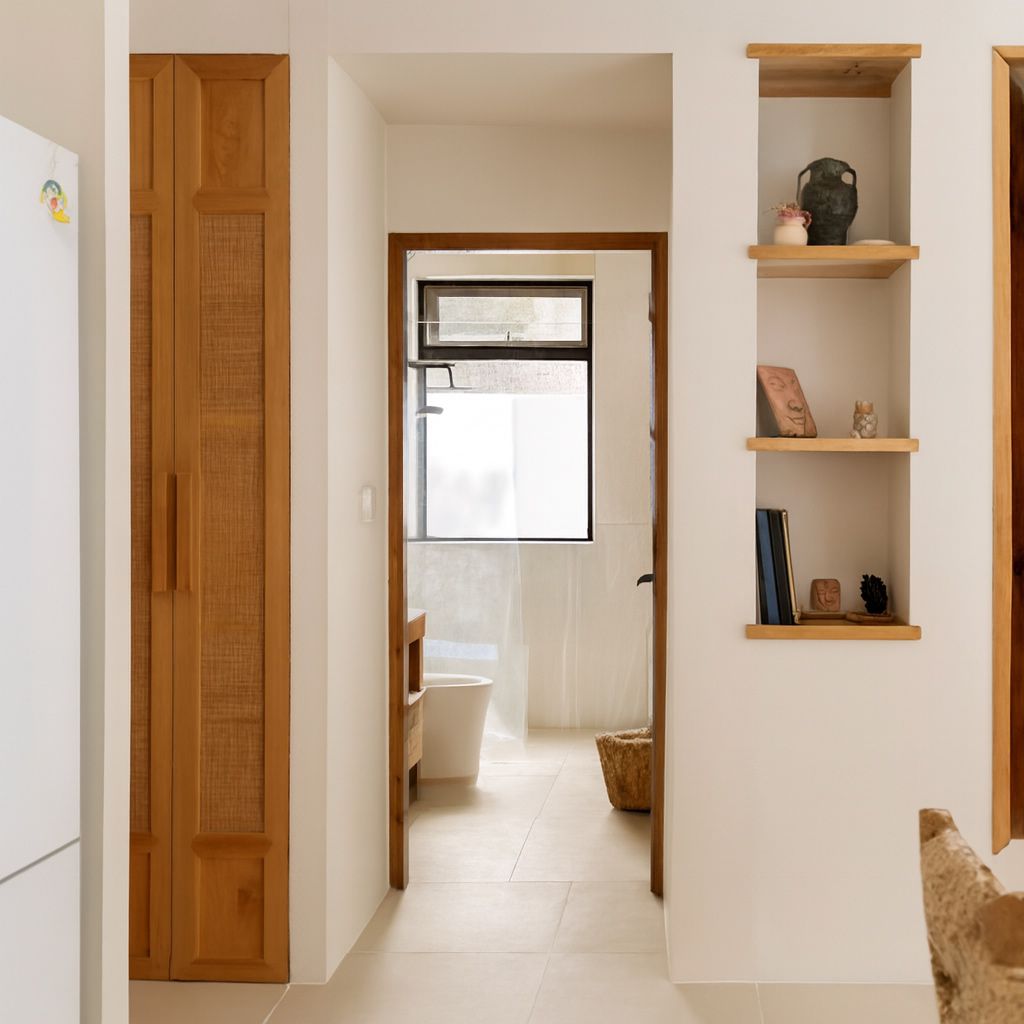
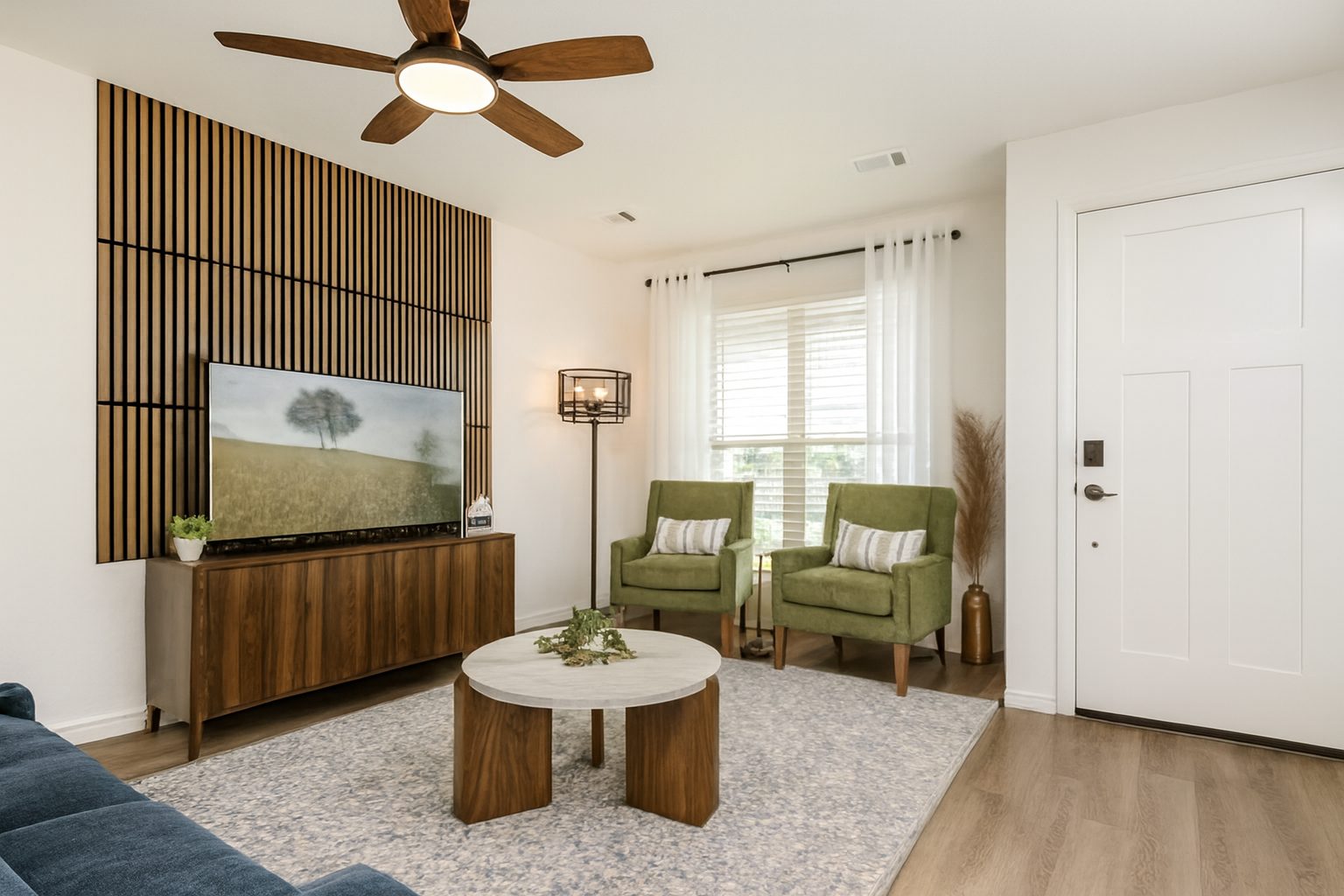
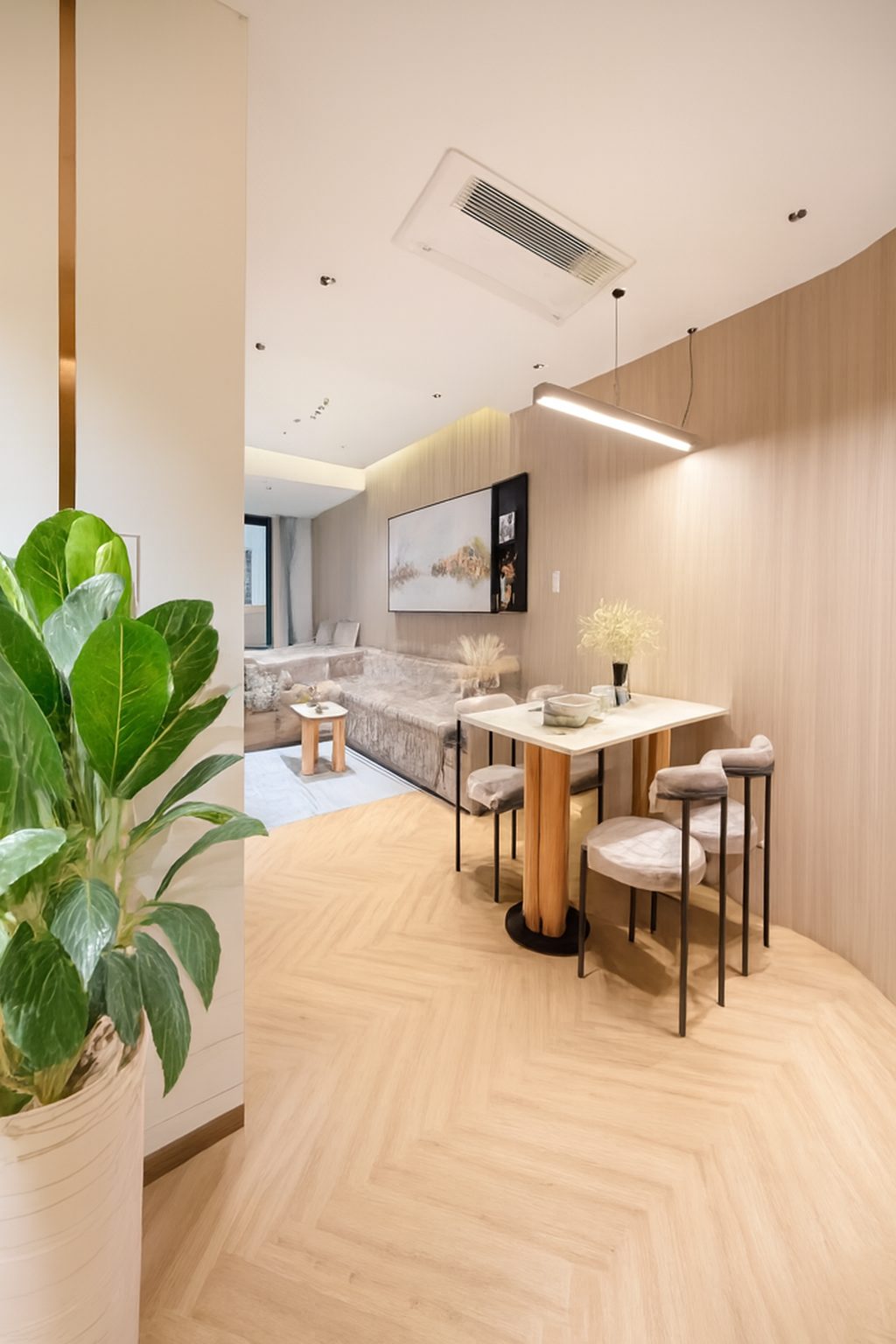
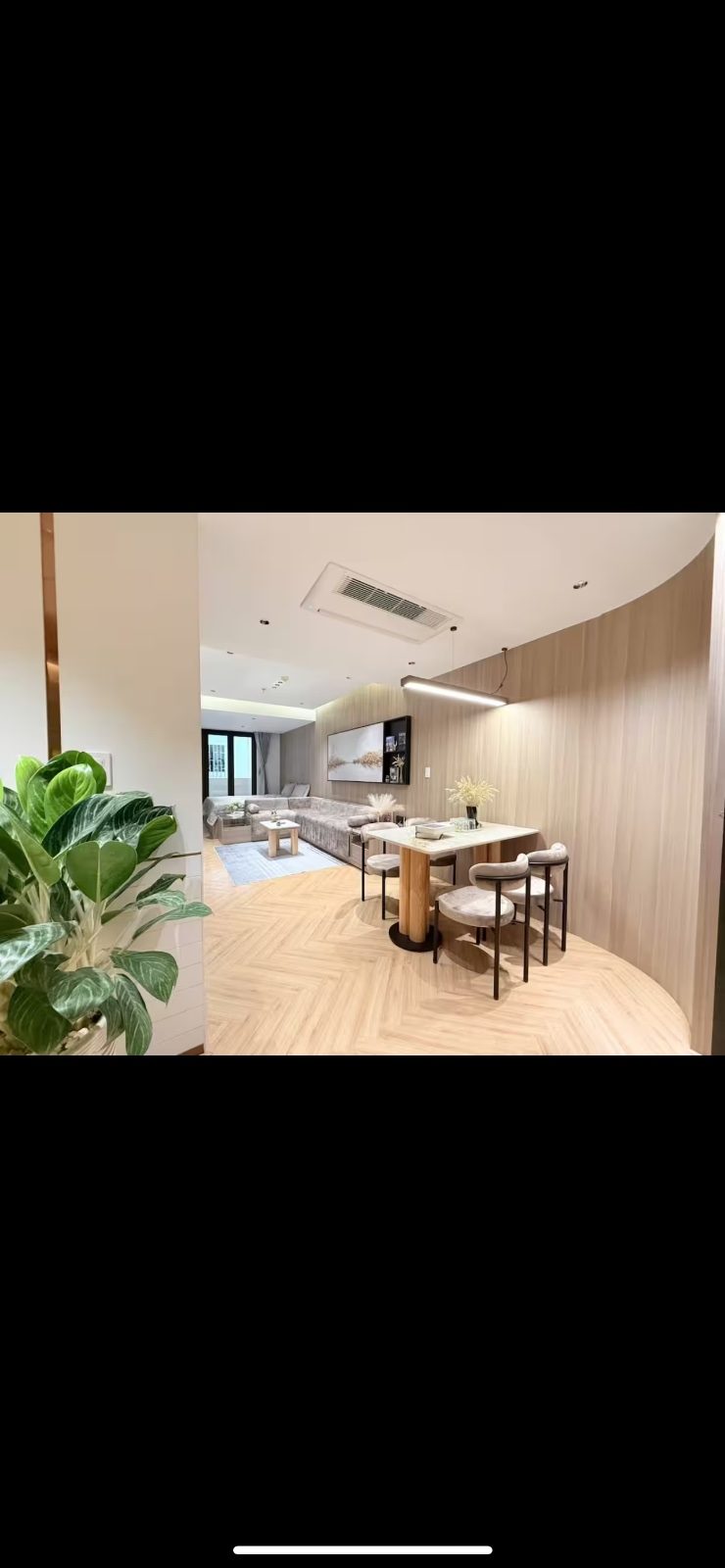
The Act bans misleading actions and misleading omissions that are likely to make the average consumer take a decision they would not otherwise have taken. Trading standards guidance makes clear this covers photos and plans, not just written descriptions. The Competition and Markets Authority can now enforce these rules directly.
What trading standards guidance says about photos
Business Companion, the trading standards guidance site, has a section on photographs in property descriptions. Its points include:
- A photograph can be misleading
- Do not doctor photos or use extreme lenses that affect the perspective of the image
- If you only show the back or side of a property, make that clear
- Do not describe 'unspoilt views' if the photo has been framed to leave out something nearby that would put buyers or tenants off
The Property Ombudsman code for letting agents
The Property Ombudsman's Code of Practice for Residential Letting Agents in England asks agents to take reasonable steps to make sure statements about a property, whether oral, pictorial or written, are accurate and not misleading. It also says all advertisements must be legal, decent, honest and truthful, and that particulars should be agreed with the landlord as accurate before marketing starts.
Editing that is fine, and editing that is not
| Edit | Generally fine? | Why |
|---|---|---|
| Brightening a dark room | Yes | Shows the room as it looks in person |
| Removing a yellow or blue colour cast | Yes | Corrects the camera, not the property |
| Straightening leaning walls | Yes | Removes distortion from how the phone was held |
| Extreme wide-angle lens | Risky | Can make rooms look bigger than they are |
| Removing damp, cracks or stains | No | Hides the condition of the property |
| Replacing the view or the sky | No | Changes what tenants or buyers will see |
| Adding furniture (virtual staging) | Only if clearly labelled | Otherwise suggests the property comes furnished |
A simple test before you publish
Ask whether a tenant or buyer who arrives for a viewing would recognise every photo. If anything in the photo is not there, or something that is there has been hidden, change the photo.
Where ProLister fits
ProLister only corrects light, colour, perspective and clarity. It never adds furniture, removes fixtures or defects, or replaces the view or the sky. It also does not stretch or widen rooms. That keeps your photos on the right side of the line while still looking professional.
Frequently asked questions
Is it illegal to edit property photos in the UK?
No. Ordinary corrections such as brightness, colour and straightening are fine. The problem is editing that misleads, such as hiding defects or changing what the property is.
Can I use a wide-angle lens for property photos?
Trading standards guidance warns against extreme lenses that affect perspective. A modest wide angle is common, but avoid lenses or settings that make rooms look bigger than they are.
Is virtual staging allowed?
It can be misleading if viewers would assume the furniture comes with the property. If you use it, label the photo clearly as virtually staged.
Who enforces these rules?
Trading standards and, since April 2025, the Competition and Markets Authority. Letting agents must also belong to a redress scheme such as The Property Ombudsman.